
In the big family of high-tech materials, magnesium-alumino-silicate (MAS) glass-ceramics are a dazzling pearl. From the heat-resistant tableware we use daily to observation windows on space shuttles, and even components of precision instruments, their presence can be found everywhere. The reason why this material can combine the transparency of glass with the toughness of ceramics is inseparable from a “behind-the-scenes hero”—magnesium oxide (MgO). As a core raw material in the MAS glass-ceramic system, magnesium oxide plays an irreplaceable role.
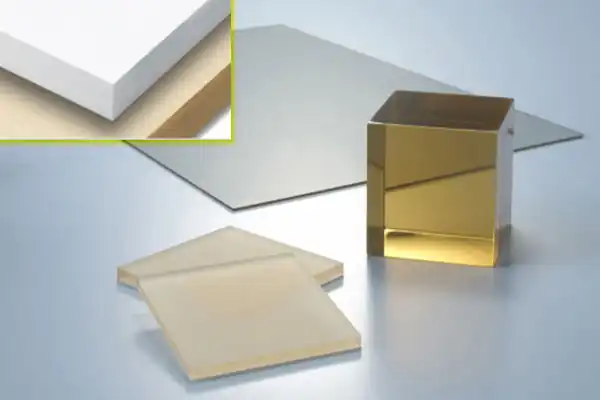
First, magnesium oxide acts as a “lubricant” that regulates the melting process. In the early stages of preparing glass-ceramics, raw materials such as silica sand, alumina, and magnesium oxide need to be melted at high temperatures into a uniform glass liquid. Pure alumina has an extremely high melting point and is difficult to melt, while the addition of magnesium oxide can effectively reduce the viscosity of the high-temperature melt. This is akin to adding a spoonful of oil to thick syrup, making the raw material mixture more thorough, the chemical reactions more complete, and air bubbles easier to expel. This not only reduces energy consumption but also ensures that the subsequently generated glass liquid is pure, uniform, and flawless in texture, laying a solid foundation for the next step of crystallization.
Second, magnesium oxide endows the material with exceptional mechanical properties. The reason MAS glass-ceramics are called “ceramics” is because, after forming, they must undergo precise heat treatment to allow tiny crystals to grow inside the glass (the crystallization process). Magnesium oxide directly participates in the construction of the crystal structure; it is a key component in forming primary crystal phases such as “cordierite” or “
ββ
-quartz solid solution.” These crystals act like reinforced concrete structures built within the glass matrix, endowing the final material with extremely high strength and toughness. At the same time, the introduction of magnesium oxide can significantly improve the thermal stability of the material, enabling it to withstand drastic temperature changes without shattering—a “hard-earned skill” essential for heat-resistant glass products and aerospace materials.
In addition, magnesium oxide also improves the chemical stability of the material. In the MAS system, an appropriate amount of magnesium oxide can optimize the glass network structure and reduce network breakpoints, thereby greatly enhancing the material’s resistance to acid and alkali corrosion. This means that cookware made from this material is not only safe and hygienic, but also remains clean and bright as new during long-term use, resisting corrosion.
Magnesium oxide is by no means an ordinary filler in MAS glass-ceramics. It is an assistant for high-temperature melting, an architect of the crystal framework, and a catalyst for performance enhancement. It is precisely because of the precise addition of magnesium oxide that humanity has been able to develop this advanced material possessing both aesthetic value and extreme performance, continuously lighting up the brilliance of technology and life.