
Messi Biology states that in the field of CNC precision machining—particularly for magnesium alloy processing coolants (often referred to as magnesium alloy cutting fluids)—magnesium alloys are widely used in industries such as aerospace, automotive, and 3C electronics due to their lightweight and high specific strength. However, because magnesium alloys are chemically active and highly prone to corrosion, blackening, and hydrogen embrittlement risks in acidic or neutral environments, specialized coolants (magnesium alloy cutting fluids) are core to ensuring machining safety and precision. Magnesium oxide (MgO) serves as a key functional additive in these coolants, and its role is irreplaceable.
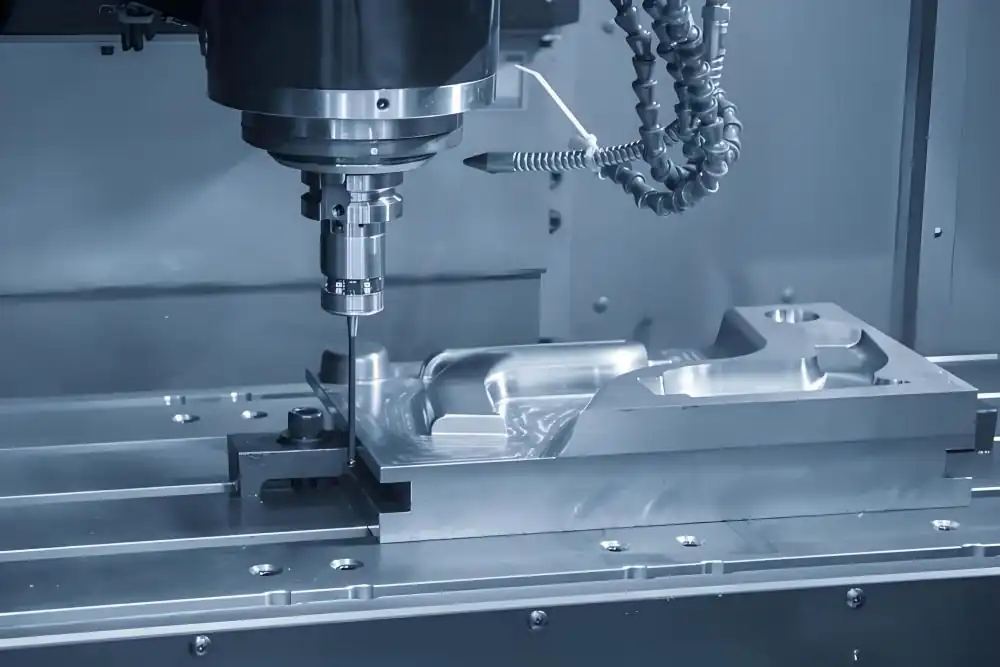
Core Roles of Magnesium Oxide in Magnesium Alloy Coolants
- pH Regulator and Alkaline Reserve: Guarding the First Line of Defense Against Corrosion
As a weakly basic oxide, magnesium oxide can mildly neutralize acidic substances generated during the cutting process, stably maintaining the coolant’s pH within an alkaline range of 8.5–10 to prevent system acidification. This is a critical condition for suppressing magnesium alloy corrosion—as acidic or neutral environments rapidly trigger the oxidation, rusting, and discoloration of magnesium alloys, while an alkaline environment fundamentally blocks corrosion reactions while protecting machine tool pipelines and cutting tools. - Anticorrosion Inhibitor: Forming a Metal Surface Protective Film
Magnesium oxide dissolves in the coolant to release magnesium ions (Mg2+Mg2+), which interact with the surface of the magnesium alloy workpiece to generate a dense and stable inorganic protective film. This isolates the metal substrate from coolants, air, and cutting impurities, significantly slowing down electrochemical corrosion and eliminating issues such as workpiece blackening, spotting, and out-of-tolerance dimensions. - Hard-Water Stabilizer: Ensuring Coolant System Stability
During the cutting of magnesium alloys, the dissolution of magnesium chips continuously releases magnesium ions, sharply increasing water hardness and easily leading to the demulsification, stratification, and failure of the coolant. Magnesium oxide can buffer system fluctuations caused by the dissolution of magnesium ions, working together with the cutting fluid formulation to enhance hard-water resistance (with high-quality formulations withstanding hardness levels above 7000 ppm), maintaining the stability of the emulsified/dissolved state, and extending the service life of the coolant.
The functional logic of magnesium oxide in magnesium alloy coolants is clear, forming a closed-loop of regulation – protection – stabilization:
- pH Buffering: Neutralizes acidic byproducts and locks the pH within the safe range of 8.5–10.
- Corrosion Inhibition & Film Formation: Releases
Mg2+Mg2+to construct a protective layer on the metal surface. - Hard-Water Adaptation: Buffers the accumulation of magnesium ions to prevent system demulsification and stratification.
Ultimately, this achieves three major effects: completely suppressing magnesium alloy corrosion and workpiece discoloration, extending the coolant replacement cycle, and ensuring CNC machining precision and production safety.
Magnesium oxide is not a conventional filler, but rather a three-in-one core additive for magnesium alloy CNC coolants serving as a pH stabilizer, corrosion inhibitor, and hard-water assistant. With its characteristics of mild alkalinity, controllable solubility, and synergistic film formation, it solves industry pain points such as the susceptibility of magnesium alloys to corrosion and the easy failure of coolants. It is a typical material of “small dosage, big impact” in precision manufacturing, supporting the efficient, safe, and high-quality processing of lightweight magnesium alloy parts.