
In the grand narrative of modern medicine, moxifloxacin is undoubtedly a dazzling “star.” As a broad-spectrum antibacterial drug widely used to treat respiratory infections, skin infections, and other diseases, it is hailed as a “powerful guardian” of the respiratory system. However, most patients focus only on the bactericidal prowess of the tiny pill within the body, rarely knowing that hidden within its birth journey—the process of chemical synthesis and manufacturing—lies an unsung hero: magnesium hydroxide.
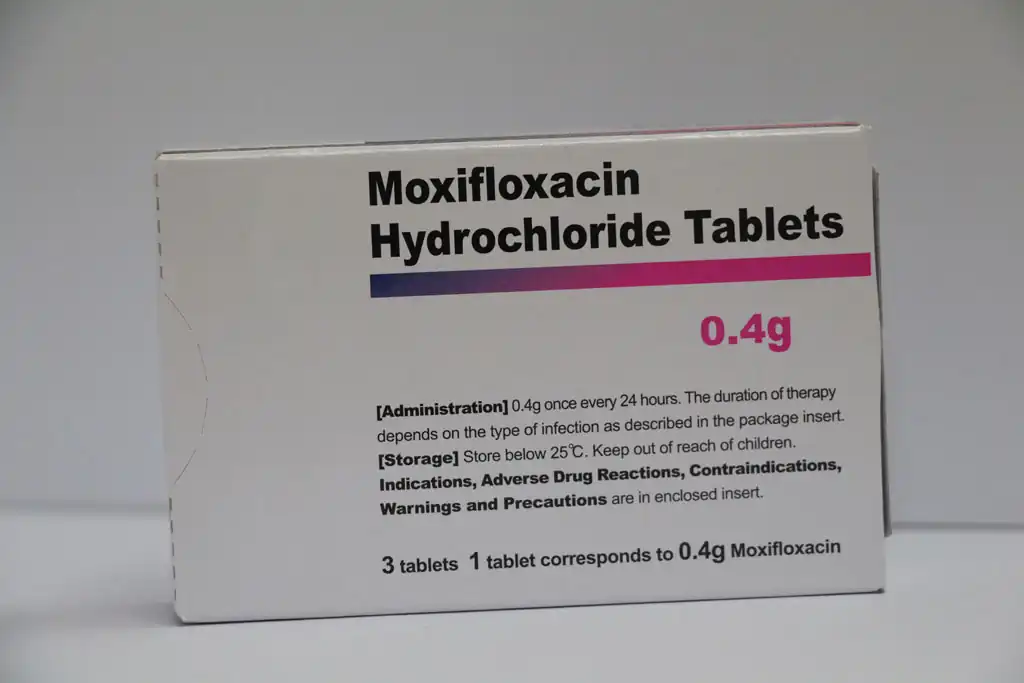
Pulling back the mysterious veil of the chemical plant reveals that the production of moxifloxacin is not a simple mixture, but a precise game of molecular assembly. Crucial to this process is the regulation of the reaction environment. This is much like cooking an exquisite dish, where the heat and the timing of seasoning determine the final taste. In the synthesis reaction of the moxifloxacin Active Pharmaceutical Ingredient (API), acidic by-products are often generated, or the reaction itself requires a specific alkaline environment to proceed smoothly. This is where magnesium hydroxide steps onto the stage. You might wonder: with hundreds or thousands of alkaline substances available to adjust pH in chemical production, why choose magnesium hydroxide? This precisely reflects the ingenuity of chemical process design. Compared to strong alkalis like caustic soda (sodium hydroxide), magnesium hydroxide has a much milder personality. As a weak alkali with low solubility in water, it can provide a “mild and sustained” alkaline environment within the reaction system.
If a strong alkali were used in the production of moxifloxacin, it would be like a torrential rain washing over the earth—the reaction would be overly violent, potentially destroying fragile chemical bonds within the molecule, generating a large number of impurities, or even causing the drug to fail. Magnesium hydroxide, on the other hand, acts like “a gentle, silent spring rain.” It slowly neutralizes acidic substances produced during the reaction or gradually drives the reaction forward. This “controlled-release” capability greatly improves the selectivity and yield of the chemical reaction, ensuring that the final moxifloxacin produced has higher purity and more stable quality.
Beyond regulating the reaction, magnesium hydroxide also plays the role of a “cleaner” in moxifloxacin production. Complex organic synthesis generates a variety of by-products and residual metal ions. After the reaction, magnesium hydroxide often transforms into magnesium salt precipitation, which can conveniently trap and carry away certain impurities in the solution through simple filtration, thus serving a purifying and impurity-removing function. This not only simplifies the production process but also aligns with the modern pharmaceutical industry’s pursuit of “green chemistry”—resulting in less wastewater discharge and a more environmentally friendly production process.
Furthermore, from an industrial safety perspective, magnesium hydroxide is an ideal raw material. It has relatively low corrosiveness, causes less wear and tear on production equipment, and reduces the risk of chemical burns for operators. In a pharmaceutical workshop that pursues both high efficiency and safety, this “mild” characteristic is particularly precious. Of course, in the final stages of moxifloxacin production, all raw materials, including magnesium hydroxide and its conversion products, undergo rigorous refinement, washing, and testing. They ultimately do not end up in the patient’s tablets, but their molecular-level “guidance” is the key to the birth of moxifloxacin.
Therefore, when we marvel at the miraculous therapeutic effects of moxifloxacin, we should not forget the chemical substances that quietly dedicate themselves on the production line. With its unique alkaline power, magnesium hydroxide—this gentle chemist—paved the way for the birth of human health medicines, interpreting the wisdom of “combining firmness with softness” in chemical production. This is not only a victory of science, but also a manifestation of the refinement of human craftsmanship.