
Messi Biology states that silicone rubber products are omnipresent in our daily lives—from high-temperature resistant seals under car hoods and the soft-touch buttons on smartphones to sterile catheters in the medical field and waterproof sealants for architectural curtain walls. The reason these products can simultaneously possess elasticity, high-temperature resistance, and anti-aging properties is largely due to a key additive: magnesium oxide (MgO). This seemingly ordinary inorganic compound is, in fact, the “invisible hero” behind the performance upgrades of silicone rubber.
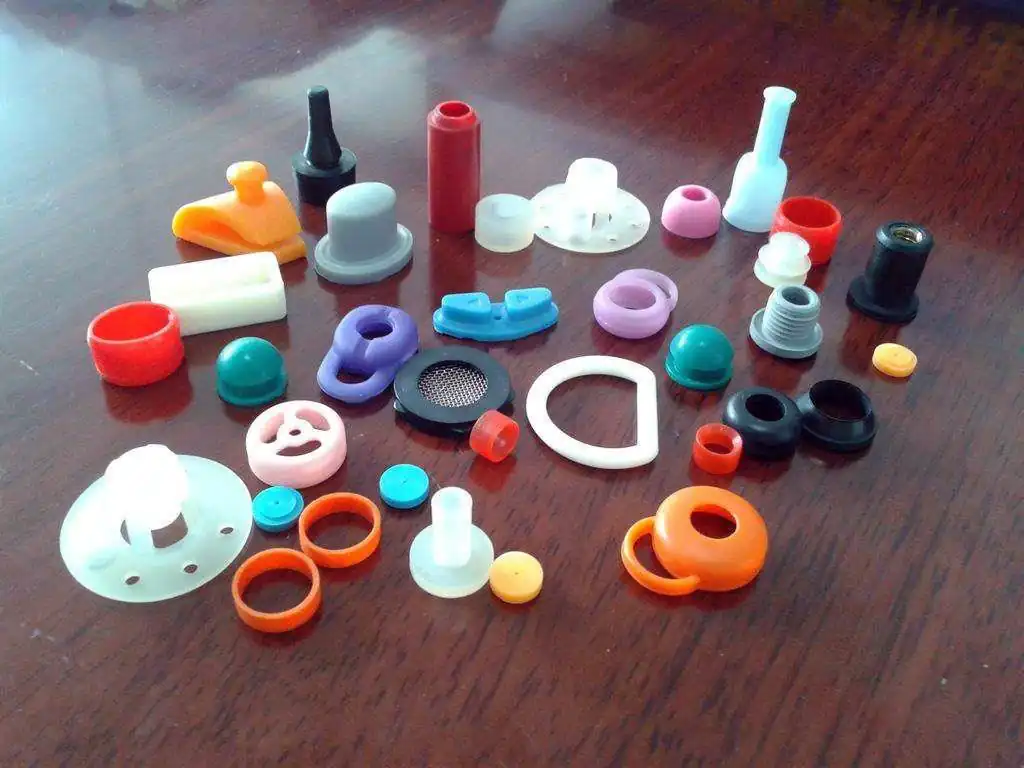
While silicone rubber inherently offers advantages such as high-temperature resistance, excellent insulation, and flexibility, pure silicone rubber has noticeable shortcomings during processing and application. It is prone to catalytic degradation by trace acidic substances during high-temperature vulcanization, lacks sufficient mechanical strength, and tends to harden and age when exposed to sunlight and oxygen over long periods. The addition of magnesium oxide precisely compensates for these defects, with its role concentrated in four core dimensions.
1. Thermal Stability Guardian: The “High-Temperature Shield”
Magnesium oxide acts as a protective shield for silicone rubber against heat. The processing of silicone rubber requires a vulcanization process at temperatures between 150-200°C. During this stage, trace acidic impurities, such as hydrogen chloride, may be generated, which can destroy the molecular chains of the rubber and lead to embrittlement or cracking. As an alkaline compound, MgO efficiently neutralizes these acidic substances while absorbing residual moisture to prevent hydrolysis reactions at high temperatures. This ensures the structural stability of silicone rubber under extreme conditions, which is why magnesium oxide is a mandatory additive for high-temperature automotive components and aerospace seals.
2. Vulcanization Synergist: The “Cooperative Accelerator”
During the vulcanization process, magnesium oxide plays the role of a “synergistic accelerator.” The vulcanization of silicone rubber requires the cooperation of vulcanizing agents and accelerators. MgO reacts with peroxides in the vulcanization system to generate active intermediates, which accelerate the cross-linking reaction of the rubber molecular chains. This not only shortens vulcanization time and improves production efficiency but also makes the cross-linked structure more uniform. Consequently, the elastic recovery and compression set resistance of the finished silicone rubber are significantly enhanced. For instance, the silicone buttons we use daily can rebound like new even after being pressed tens of thousands of times thanks to this effect.
3. Mechanical Reinforcer: Strengthening the “Bones and Muscles”
As a mechanical reinforcing agent, magnesium oxide significantly enhances the structural integrity of silicone rubber. The tensile and tear strength of pure silicone rubber is relatively low, making it difficult to meet the requirements of structural components. Magnesium oxide particles form physical cross-linking points with silicone rubber molecular chains through surface adsorption, acting as a “skeletal support” dispersed within the rubber matrix. This prevents the product from breaking easily when subjected to external tension or tearing. By adding high-activity magnesium oxide, the tensile strength can be increased by more than 30%, which is widely applied in seals and conveyor belts that must withstand mechanical stress.
4. Anti-Aging Shield: Extending Product Life
Furthermore, magnesium oxide serves as an “anti-aging shield” for silicone rubber. Long-term exposure to air can cause molecular chains to break due to oxidation and ultraviolet (UV) radiation, leading to hardening and cracking. Magnesium oxide can absorb free radicals generated during the aging process, inhibiting oxidative chain reactions while blocking UV damage to the molecular chains. For products long exposed to natural environments, such as outdoor architectural sealants and insulation sleeves for photovoltaic modules, the anti-aging role of magnesium oxide is particularly vital.
Today, with the advancement of preparation technologies for high-activity magnesium oxide, its application in silicone rubber has become more precise and efficient. From daily necessities to high-end industrial and medical fields, magnesium oxide has become an indispensable core additive due to its multifunctionality. This seemingly ordinary inorganic compound, through scientific mechanisms, makes silicone rubber products more durable and reliable, continuously empowering both our daily lives and industrial production.