
Messi Biology states that when you unlock a smartphone via fingerprint, receive a medical ultrasound diagnosis, or benefit from the precise sensing of a New Energy Vehicle (NEV), you are witnessing the “energy conversion magic” of piezoelectric ceramics. This functional material, capable of bidirectional conversion between mechanical stress and electrical energy, owes its high performance to a key raw material: magnesium carbonate. This “invisible hero,” with its unique characteristics, is proving its immense value in the field of piezoelectric ceramics.
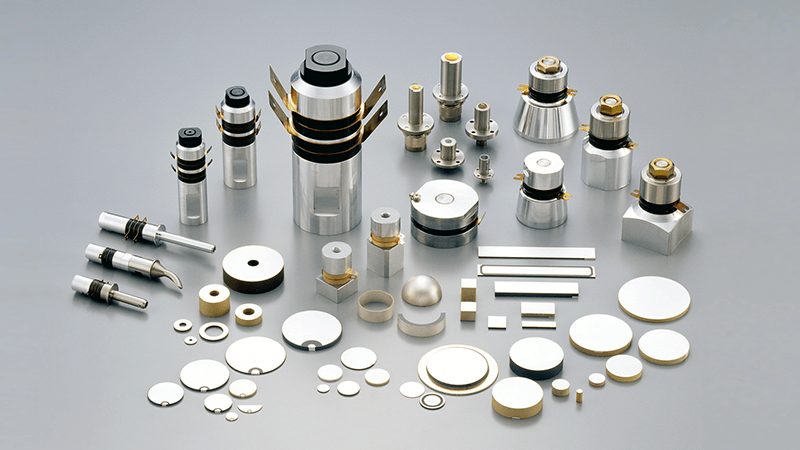
The core performance of piezoelectric ceramics relies on the non-centrosymmetric nature of their crystal structure, and magnesium carbonate provides an excellent foundation for this architecture. As a critical raw material for electronic ceramics, high-purity magnesium carbonate (purity ≥ 99.5%) is processed through high-temperature calcination to become a core component of the ceramic, making it a preferred material for manufacturing piezoelectric sensors and actuators. Its superior dielectric constant and mechanical quality factor significantly enhance energy conversion efficiency, effectively addressing the pain point of traditional piezoelectric ceramics, which often stall at 40-50% conversion rates. In high-end materials like relaxor ferroelectric single crystals, basic magnesium carbonate serves as the core ingredient for synthesizing magnesium niobate, facilitating the production of high-performance ceramics with piezoelectric constants that far surpass traditional materials.
Magnesium carbonate optimizes the performance of piezoelectric ceramics in multiple dimensions. It significantly improves the densification of the ceramic and optimizes its microstructure, thereby enhancing the material’s hardness, strength, and durability, ensuring reliability under complex operating conditions. Its low thermal expansion coefficient and high insulation properties allow for the precise regulation of thermal stability and dielectric characteristics. This enables the material to meet customized requirements for various scenarios—from room-temperature consumer electronics to high-temperature industrial environments—simply by adjusting the magnesium carbonate content. Furthermore, as an eco-friendly raw material, it can act as a desulfurization agent during production, reducing sulfur dioxide emissions and promoting green industrial development.
At the production level, magnesium carbonate also serves as a process optimizer. It improves the flowability and plasticity of the ceramic green body, lowers sintering temperatures, and shortens sintering cycles, which both increases production efficiency and reduces costs. During critical stages such as ball milling, molding, and sintering, magnesium carbonate acts as a sintering aid to promote densification and crystallization. When paired with advanced technologies like Spark Plasma Sintering (SPS), it further boosts the relative density and hardness of the ceramic while lowering the corrosion rate. These process optimizations make the large-scale production of high-performance piezoelectric ceramics viable.
Today, with the rapid growth of 5G communications, NEVs, medical equipment, and other industries, the application scenarios for magnesium carbonate in piezoelectric ceramics continue to expand. It is found in everything from smartphone piezoelectric sensors to the core transducers of ultrasound diagnostic equipment and intelligent automotive sensing systems. In the future, as research into high-purity magnesium carbonate deepens, this “invisible hero” will continue to empower piezoelectric ceramics to move toward higher efficiency, wider temperature adaptability, and longer service lives, providing the core material support for a new generation of high-tech products.