
Messi Biology states that when walking into a newly renovated room, the pungent odors gradually dissipate, and the walls and furniture feel exquisitely smooth to the touch. Behind this sensory experience, beyond the technological innovation of water-based coatings, lies the contribution of a natural mineral: Magnesium Carbonate. This seemingly ordinary white powder is becoming an indispensable “invisible hero” in water-based coating formulations due to its diverse and robust functional strengths.
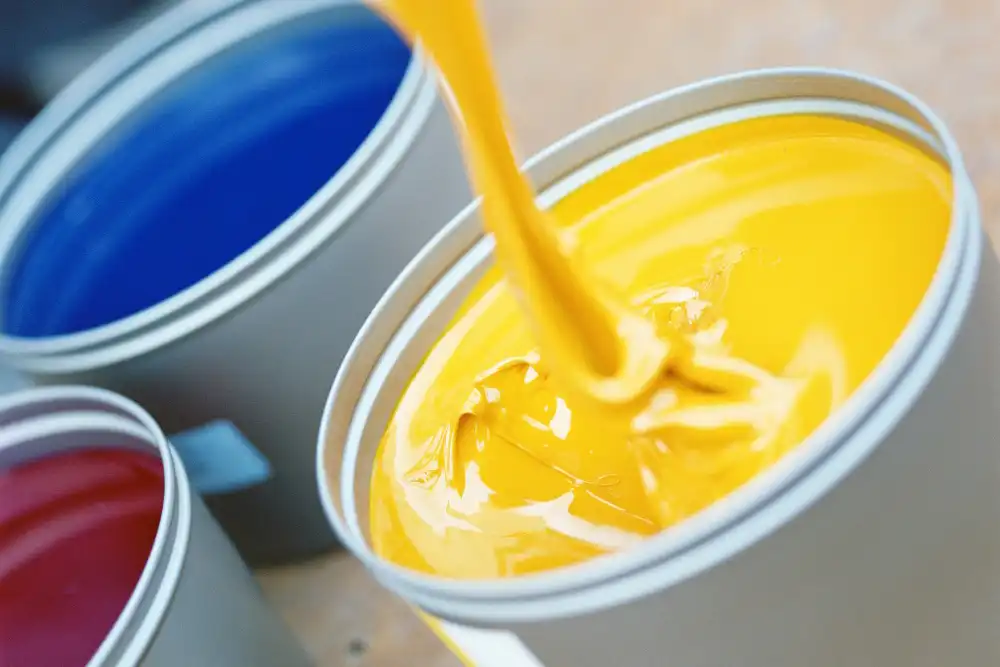
The environmental attributes of magnesium carbonate are inherent. Derived from magnesite purification or chemical precipitation, it appears as an odorless, tasteless, and loose powder. It is non-toxic to the human body and contains no organic solvents, perfectly aligning with the core “low VOC emission” advantage of water-based coatings. Compared to traditional fillers, it can reduce the dosage of toxic additives, lowering the VOC content of coatings by 30% to 40%. This allows products to easily meet the GB18582-2020 environmental standards, making it especially suitable for places with high health requirements such as homes, schools, and hospitals. Furthermore, its weak alkalinity enables it to adsorb harmful gases like formaldehyde and benzene. Adding 5% to 8% of magnesium carbonate can achieve a formaldehyde removal rate of over 60%, allowing renovated spaces to meet move-in standards more quickly.
In terms of functionality, magnesium carbonate is a true “all-rounder.” Its platy crystal structure disperses evenly within the coating to form a dense “protective network.” This not only enhances the hardness and abrasion resistance of the paint film—ensuring walls are less prone to scratching—but also improves weather resistance, extending the aging resistance of exterior coatings by 500 to 800 hours. Its refractive index is highly compatible with coating resins, significantly boosting hiding power (opacity); this allows the coating to cover the base color in just one or two coats, making the process both material-saving and efficient. Simultaneously, it improves the leveling properties of the coating, preventing brush marks and sagging, resulting in a flatter and smoother finish. It also prevents sedimentation and layering during storage, thereby extending the shelf life of the coating.
The application scenarios for this multifunctional mineral are extensive. In architectural wall coatings, it provides a long-lasting pure white color that is resistant to yellowing or fading. In wood coatings, it highlights the natural texture of the wood while enhancing surface fineness. In industrial anti-corrosion coatings, its acid and alkali resistance strengthens metal protection, extending salt spray test durability to over 500 hours. In fire-retardant coatings, it achieves flame retardancy and smoke suppression through a dual mechanism of “endothermic cooling + gas barrier,” with decomposition products that are non-toxic and harmless, significantly improving fire safety. Today, high-purity, ultra-fine, and modified magnesium carbonate has become the preferred filler for high-end water-based coatings, driving the industry toward more environmentally friendly and high-quality development.
From a natural mineral to a core coating ingredient, magnesium carbonate silently guards our living environment with its eco-friendly and multifunctional characteristics. With advancements in powder modification technology, it will continue to play a larger role in reducing production costs and enhancing weather resistance, consistently safeguarding a “green” lifestyle.