
Messi Biology notes that when we catch a cold with a fever or sweat profusely, we often like to drop an effervescent tablet into a glass of water. Watching it sizzle, roll, and generate countless bubbles in the water, and then drinking a sweet and sour beverage once it calms down, is both quenching and a great way to replenish the body’s needs. Behind this magical chemical reaction, aside from the common vitamin C and citric acid, there is an unsung yet indispensable “behind-the-scenes hero”—magnesium carbonate powder. Today, let’s talk about the unique application of magnesium carbonate powder in effervescent tablets.
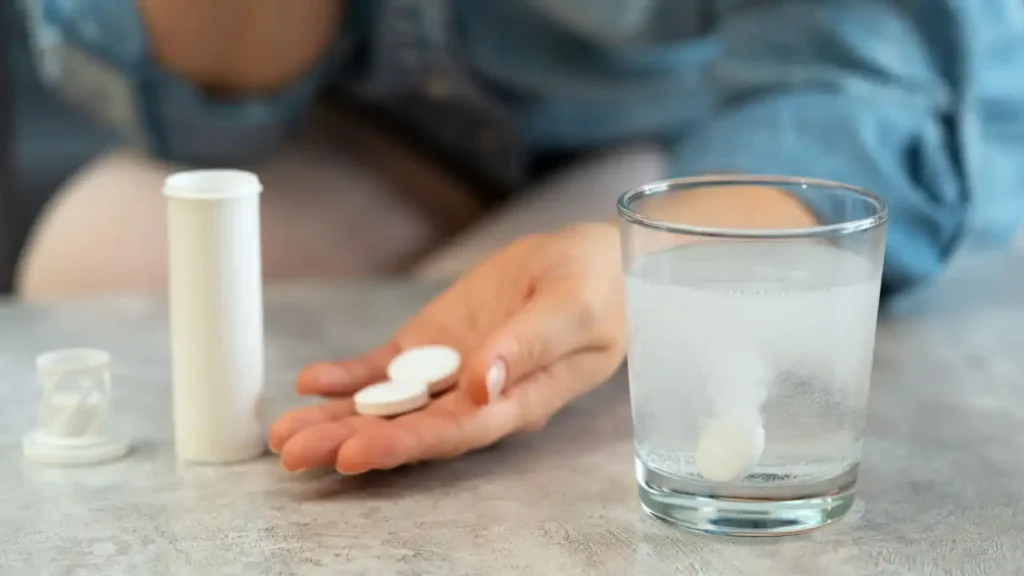
First, we need to correct a common misconception: in effervescent tablets, the primary role of magnesium carbonate is not as a “gas generator.” The reason effervescent tablets can produce bubbles relies mainly on the violent reaction between an acid source (such as citric acid or tartaric acid) and an alkali source (such as sodium bicarbonate) in water, which releases a large amount of carbon dioxide. While magnesium carbonate does contain “carbonate” in its name and can release carbon dioxide when meeting acid, in the precise formulation of effervescent tablets, it acts more like an excellent “lubricant” and “antacid.”
In the pharmaceutical industry, the most fundamental function of magnesium carbonate powder is to act as a lubricant. The production process of effervescent tablets places extremely high demands on tablet press pressure, and formulations often contain a large amount of hygroscopic ingredients (such as acid sources), which can easily cause granules to stick to the punch dies during production, leading to compression difficulties. Magnesium carbonate possesses excellent adhesion and lubricity, effectively reducing the friction between the granules and the punch dies, ensuring a smooth tableting process and guaranteeing that every effervescent tablet has a perfect appearance and hardness.
In addition, magnesium carbonate undertakes the important responsibility of regulating pH levels. The pH value of an effervescent tablet solution directly affects drug stability and taste. If the solution is overly acidic, not only will it be too sour to swallow, but it may also erode teeth, irritate the gastric mucosa, or even cause certain active ingredients (such as vitamins) to decompose and fail. As a weak base, magnesium carbonate can cleverly neutralize excess acidic substances in the solution, maintaining the pH value within the most comfortable range for the human body, making the effervescent tablet smoother upon consumption.
Interestingly, magnesium carbonate also possesses the physical property of adsorbing oils. In certain functional effervescent tablets marketed for weight loss or digestion assistance, fine magnesium carbonate powder can adsorb excess grease and moisture in the intestinal tract, thereby playing a role in assisting gastrointestinal conditioning. At the same time, it is also an antacid; for stomach discomfort caused by excessive stomach acid, effervescent tablets containing magnesium carbonate can quickly exert a neutralizing effect to relieve stomach pain. Magnesium carbonate powder is by no means just a simple filler in effervescent tablets. It is both a lubricant ensuring smooth production and a regulator protecting taste and efficacy. Next time you watch the bubbles churning in your cup, don’t forget to thank this “magnesium”-powered guardian.