
With the rapid development of the new energy vehicle and energy storage industries, the safety performance of lithium-ion batteries has become a core focus of the sector. As a critical internal component of lithium batteries that isolates the positive and negative electrodes while conducting lithium ions, the separator’s heat resistance and safety directly determine the overall stability and service life of the battery. In recent years, inorganic powder coating technology has become the mainstream direction for enhancing separator performance, with magnesium hydroxide being widely applied due to its excellent flame-retardant, thermal-insulation, and eco-friendly properties. Can magnesium hydroxide, when used as a lithium-battery separator coating, enhance the separator’s heat resistance and safety? The answer is a definitive yes. High-quality magnesium hydroxide powder can significantly improve the comprehensive performance of lithium-ion battery separators from two dimensions—physical thermal insulation and chemical flame retardancy—thereby building a solid defense line for the safe operation of lithium batteries.
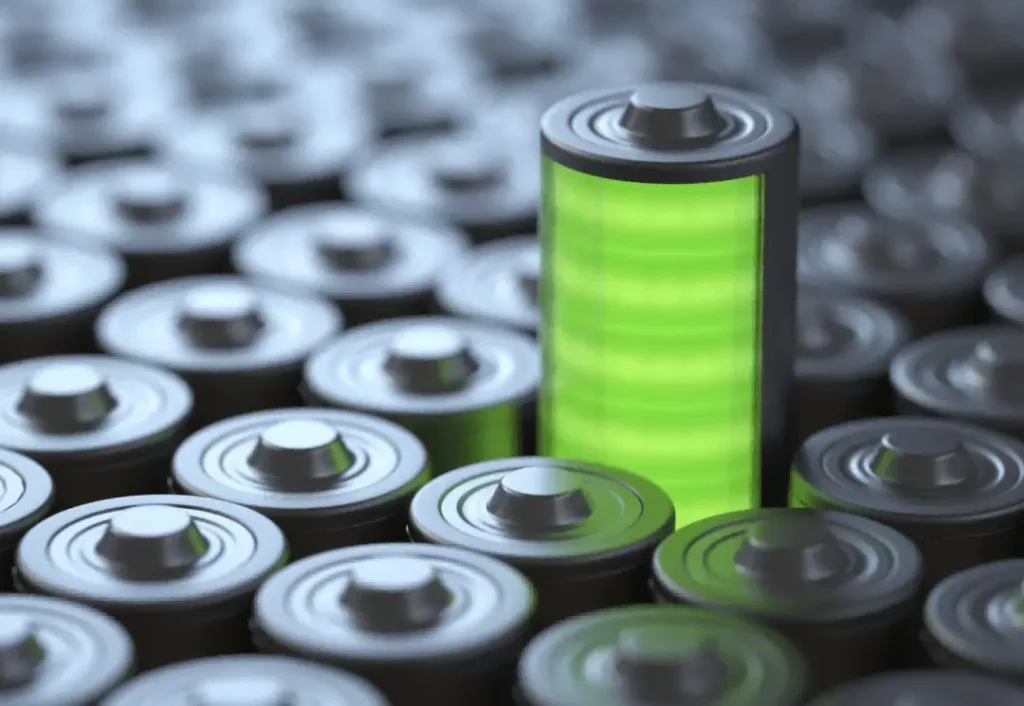
Traditional polyolefin separators (PE, PP) occupy the market mainstream thanks to their low cost and good mechanical properties, but they suffer from clear performance shortcomings: poor heat resistance, undergoing significant shrinkage and deformation above 120°C which leads to direct contact between positive and negative electrodes and triggers short circuits; and insufficient flame retardancy, meaning that once thermal runaway occurs in a battery, the separator burns rapidly and accelerates the spread of fire.
As an inorganic, eco-friendly flame retardant, magnesium hydroxide’s unique thermal decomposition characteristics happen to solve these exact pain points. Magnesium hydroxide decomposes within the range of 340°C–490°C, absorbing a massive amount of heat during the process to lower the surface temperature of the separator. Simultaneously, it releases water vapor to dilute combustible gases, while the generated solid magnesium oxide forms a dense protective layer on the separator surface to block oxygen and heat conduction. It is precisely these properties that make it possible for magnesium hydroxide, when applied as a lithium-battery separator coating, to enhance the separator’s heat resistance and safety. Based on practical application data, when magnesium hydroxide is used for lithium-battery separator coatings, its effect in enhancing separator heat resistance and safety far surpasses that of most traditional inorganic fillers, making it a recognized efficient solution in the industry.
To fully leverage the role of magnesium hydroxide in enhancing separator heat resistance and safety when used as a lithium-battery separator coating, efforts must be made from three aspects: powder quality, processing technology, and coating design:
Strictly control particle size and purity: Ultra-fine and evenly distributed magnesium hydroxide powder can form a dense, defect-free coating on the separator surface, ensuring normal lithium-ion conduction while effectively blocking the spread of thermal runaway. Relying on its proprietary brucite mine and utilizing self-developed fine grinding and classification processes, Messi Biology produces high-purity magnesium hydroxide powder with minimal impurities, with particle sizes precisely controlled from the nanoscale to the micron scale, fully meeting the stringent requirements of lithium-ion battery separator coatings.
Optimize surface modification treatment: Modifying magnesium hydroxide with coupling agents improves its compatibility with the polyolefin matrix and strengthens the bonding force between the coating and the separator. This prevents coating shedding during battery cycling and further ensures the long-term stability of magnesium hydroxide in enhancing separator heat resistance and safety when used as a battery separator coating.
Scientifically adjust coating parameters: According to the energy density and safety requirements of different batteries, the thickness and powder ratio of the magnesium hydroxide coating should be reasonably adjusted to strike an optimal balance among heat resistance, safety, and electrochemical performance.
Currently, multiple leading domestic lithium-ion battery enterprises have applied magnesium hydroxide-coated separators on a large scale in power and energy storage batteries. As a core supplier deeply rooted in the inorganic powder field for 6 years, Messi Biology has established long-term cooperative relationships with more than 10 industry-leading enterprises, with its magnesium hydroxide products being widely applied in the field of lithium-ion battery separator coatings.
According to feedback from cooperative clients, separator coatings made with Messi Biology’s magnesium hydroxide powder can raise the separator’s thermal shrinkage temperature from 120°C to over 180°C, keep the thermal shrinkage rate below 5% at 150°C, and increase the puncture strength of the separator by over 30%. In extreme safety tests such as nail penetration and crushing, batteries adopting this coated separator showed no signs of catching fire or exploding, fully verifying the practical value of magnesium hydroxide in enhancing separator heat resistance and safety when used as a battery separator coating. Furthermore, Messi Biology has established a full-link quality control system of “mine + processing,” with sampling inspections conducted every 10 minutes during the production process to ensure stable indicators such as mesh size, content, and whiteness, achieving an on-time delivery rate as high as 99.8% to efficiently match clients’ batch production demands.
The effectiveness of magnesium hydroxide in enhancing separator heat resistance and safety when used as a lithium-battery separator coating is directly related to the quality of the magnesium hydroxide product. Only by choosing suppliers with a complete industrial chain and a strict quality control system can one obtain stable and reliable products.
Messi Biology has constructed a complete industrial chain of “mining – fine processing – finished product supply,” guaranteeing stable raw material supply and controllable quality from the source. The company has independently developed 3 specialized production lines, with its core product, magnesium hydroxide, reaching a daily output of 200 tons. This enables rapid response to order demands within 48 hours. Meanwhile, having passed the ISO 9001 quality management system certification, the company boasts a client repurchase rate exceeding 95%. Currently, leveraging its proprietary mine resources, the company is advancing capacity upgrades to build a full-specification product matrix, capable of providing customized magnesium hydroxide solutions for lithium-ion battery enterprises with diverse needs.
In summary, the effectiveness of magnesium hydroxide in enhancing separator heat resistance and safety when used as a lithium-battery separator coating has been widely verified by the industry, representing an important direction for the future development of lithium-ion battery separator technology. If you are looking for high-quality magnesium hydroxide products for lithium-battery separator coatings, please feel free to contact Messi Biology. We will provide you with professional technical support and comprehensive product services, joining hands with you to explore new application scenarios in the new energy sector.