
Messi Biology states that in today’s modern society, characterized by high-speed rail and high-performance data centers, wires and cables serve as the vital “blood vessels and nerves” for energy and signal transmission. Consequently, their safety performance is of paramount importance. Within the core materials of cable sheathing, magnesium hydroxide—a seemingly ordinary white powder—is emerging as a critical force in safeguarding cable safety through advanced modification technologies.
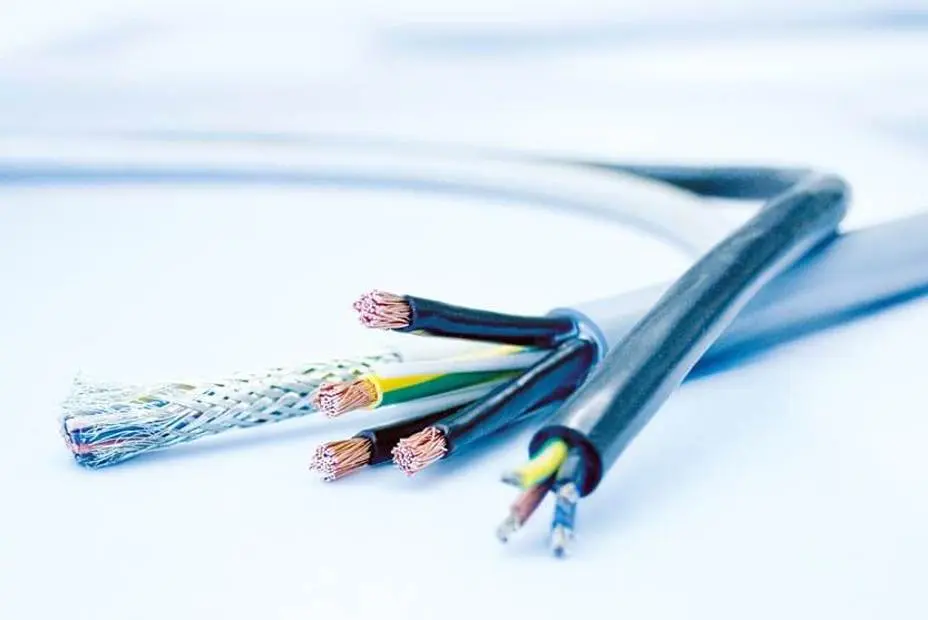
The reason magnesium hydroxide has become a core material for cable compound modification lies in its unique flame-retardant mechanism. When a cable is exposed to high temperatures or fire, magnesium hydroxide decomposes at temperatures above 340°C. This reaction not only absorbs a significant amount of heat to cool the combustion zone but also releases crystal water to dilute the concentration of flammable gases. The resulting magnesium oxide (MgO) forms a dense protective layer that insulates the material from oxygen and heat transfer. Unlike traditional halogen-based flame retardants, this process releases no toxic gases and can increase smoke transparency by up to threefold, effectively preventing “secondary damage” during fire incidents.
However, raw magnesium hydroxide has inherent drawbacks: its naturally hydrophilic surface results in poor compatibility with hydrophobic cable base materials such as polyethylene (PE). This often leads to agglomeration, resulting in uneven flame retardancy and reduced material flexibility. To address this, modification technology has become the key to breaking through these bottlenecks. By using modifiers such as branched polyethylenimine to construct a three-dimensional network structure, the interfacial bonding strength between the magnesium hydroxide and the base material is significantly enhanced, allowing for uniform dispersion within the cable compound. Furthermore, hexagonal plate-like magnesium hydroxide crystals offer superior advantages; their regular structure enables tight stacking, which forms an efficient barrier network at lower loading levels while simultaneously improving the tensile performance of the cable.
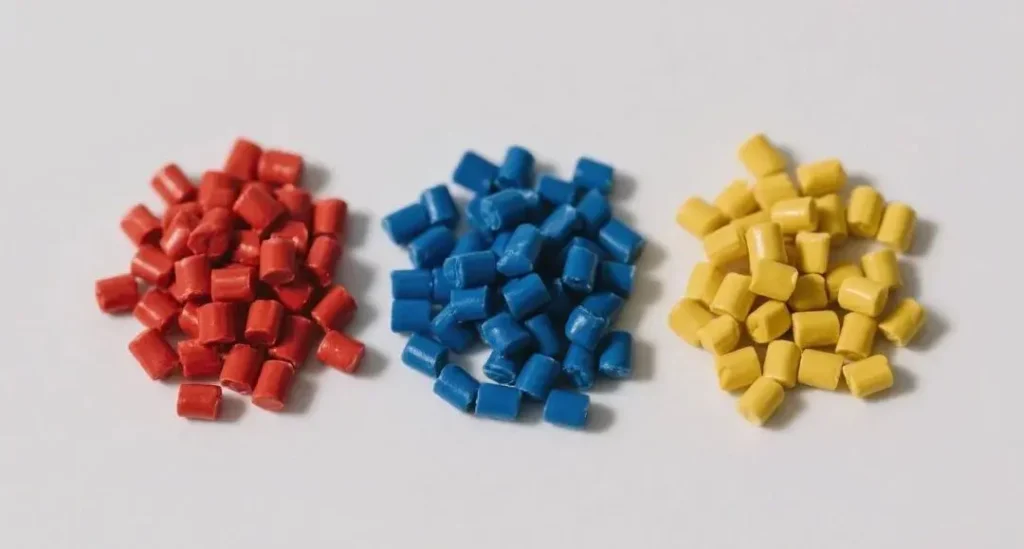
Through these modifications, magnesium hydroxide enables cable compounds to achieve a dual leap in both safety and performance. By adding 30 to 70 parts of modified magnesium hydroxide to a formulation, cross-linked polyethylene (XLPE) sheathing materials can reach the UL94 V-0 flame retardancy standard while maintaining a tensile strength retention rate of over 80%. This ensures that flame-retardant requirements are met without sacrificing the cable’s flexibility. These environmentally friendly flame-retardant materials are already widely applied in high-end sectors, including high-voltage cables for New Energy Vehicles (NEVs), rail transit signal cables, and vertical cabling for high-rise buildings, maintaining stable performance in high-temperature and high-voltage environments.
Even more noteworthy is its “green” attribute. Modified magnesium hydroxide flame retardants are non-toxic and harmless. Additionally, magnesium hydroxide recovered from waste cables can be recycled for use in industrial waste gas treatment, achieving resource circularity. As nanotechnology and surface modification processes continue to evolve, magnesium hydroxide is expected to achieve even greater breakthroughs in enhancing flame-retardant efficiency and reducing dosage requirements. This will provide a more solid guarantee for cable safety, ensuring that energy transmission remains both efficient and secure.