
Messi Biology states that within the large family of food additives, there is a low-profile yet extraordinarily capable member—magnesium hydroxide. Bearing the international code E528, its core identity is an acidity regulator, specifically designed to “tune” foods to make the taste smoother and the system more stable.

Magnesium hydroxide is essentially a weakly alkaline substance with a pH value between 9 and 10. Its most prominent features are extremely low water solubility and very slow release of alkalinity. When it encounters excess acidic components in food (such as fruit acids in juice or lactic acid in yogurt), it undergoes neutralization in a “slow and meticulous” manner, generating soluble magnesium salts and water. It steadily pulls the pH back to the target range without altering the acidity in a sudden, “rollercoaster-like” fashion characteristic of strong alkalis. This “sustained-release neutralization” characteristic gives it a natural advantage: the reaction is gentle, no gas is produced, it does not burn the system, nor does it destroy vitamins and flavor substances in the food, avoiding stratification, precipitation, and nutrient loss caused by drastic pH fluctuations.
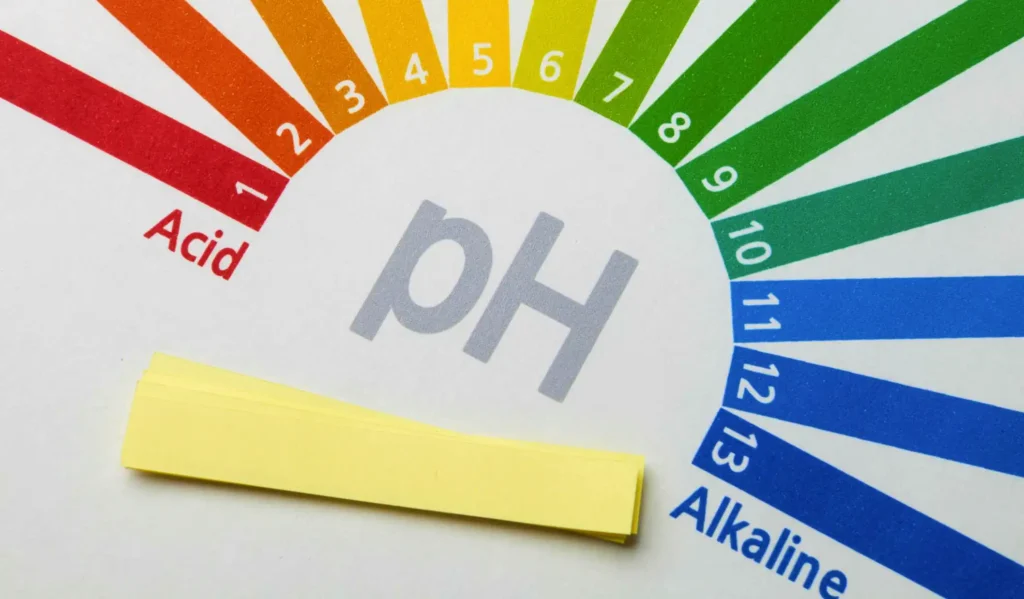
Dairy products and yogurt are among its primary domains. As yogurt ferments, lactic acid bacteria continuously produce acid; once the pH drops below 3.8, the taste becomes overly sour, and whey easily separates. Adding 0.03% to 0.08% of magnesium hydroxide can stabilize the pH between 4.2 and 4.6, balancing sweet and sour flavors while making the texture thicker and smoother. Fruit juices and plant-based protein beverages also heavily rely on it. Proteins in soy milk and almond milk are sensitive to pH; once the acidity is too high, they are prone to flocculation and stratification. Magnesium hydroxide can adjust the system back to the protein stability range, preventing the beverages from becoming turbid or settling after long storage. Fermented foods such as kimchi, soy sauce, and edible vinegar are equally inseparable from it. Adding 0.05% to 0.1% to kimchi prevents over-acidification from causing the vegetables to become mushy and limp. In the later stages of vinegar fermentation when the acidity surges, adding a bit of magnesium hydroxide makes the vinegar taste more mellow and soft. It also makes appearances in baking and confectionery; trace additions to bread dough can optimize yeast activity, making the texture fluffier, while during cocoa and chocolate processing, it is responsible for adjusting the acidity to an appropriate level.
Magnesium hydroxide is a legally approved additive across major global food regulatory systems, including the US FDA, EU EFSA, China’s GB 2760, and Japan’s Ministry of Health, Labour and Welfare. The JECFA evaluation by WHO/FAO even concluded with “ADI not specified,” meaning that when used according to normal manufacturing practices, there is no need to set a limit on the daily intake. What’s even better is that once it enters the human body, it dissociates into magnesium ions—an essential mineral for the human body that participates in over 300 enzymatic reactions such as energy metabolism, nerve conduction, and bone formation. The small amount of magnesium remaining in the food can conversely help bridge the gap in daily magnesium intake.
From a spoonful of yogurt to a piece of chocolate, from a glass of juice to a serving of kimchi, this “invisible sound tuner” works silently behind the scenes, guarding the taste and stability of food in a gentle and precise manner. Next time you check an ingredient list and see “magnesium hydroxide” or “E528,” you’ll know what it’s there for.