
According to Messi Biology, traditional polyolefin separators for sodium-ion batteries, although possessing flexibility and porous structures, suffer from shortcomings such as poor high-temperature resistance, insufficient electrolyte wettability, and vulnerability to puncture by sodium dendrites. These limitations make them prone to shrinkage and melting at high temperatures or during long-term cycling, triggering the risk of thermal runaway. Magnesium oxide (MgO), as an inorganic ceramic material with a melting point as high as 2852°C and stable chemical properties, can fundamentally make up for the deficiencies of traditional separators when applied to them in the form of a nano-coating.
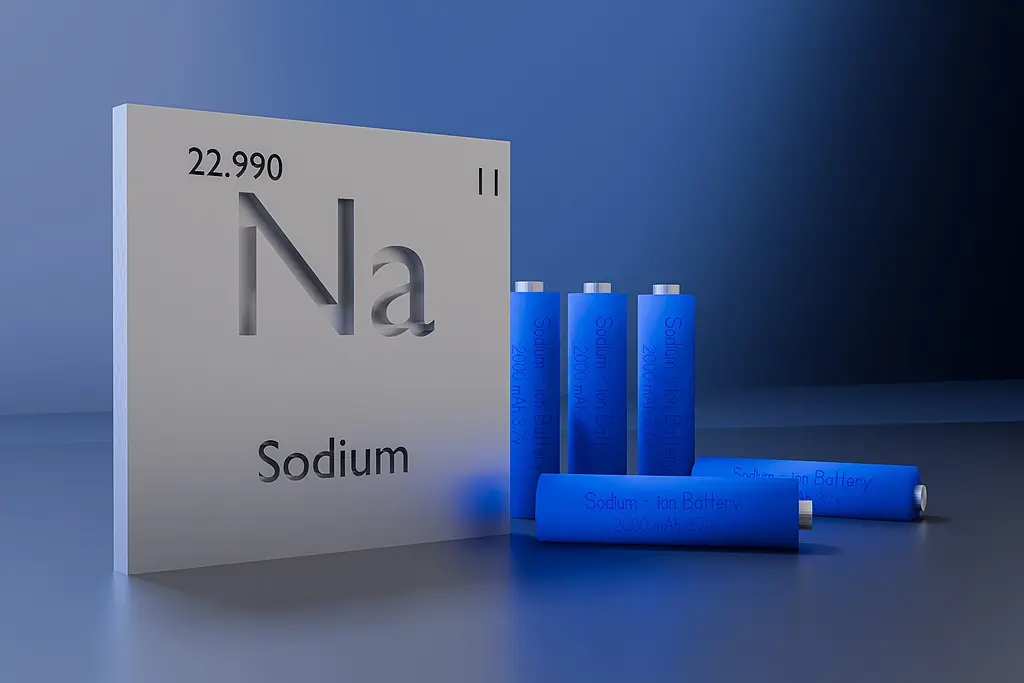
In terms of safety enhancement, magnesium oxide acts as a high-temperature armor for the separator. The nano-magnesium oxide coating forms a dense inorganic skeleton on the separator surface, increasing its heat resistance from 130°C to over 180°C, and reducing the thermal shrinkage rate at high temperatures to below 5%. This effectively prevents positive and negative electrode short circuits caused by separator melting. Meanwhile, the magnesium oxide coating boasts excellent mechanical strength and rigidity, capable of blocking sodium dendrites generated during charge-discharge processes from puncturing the separator, thereby reducing the risk of internal short circuits at the source and making sodium-ion batteries safer in fast-charging and high-temperature environments.
Regarding the optimization of electrochemical performance, magnesium oxide serves as an ion transport assistant for the separator. Its unique polar surface can significantly improve the wettability of the separator toward the electrolyte, shorten the electrolyte adsorption time, lower the internal resistance of the battery, facilitate smoother sodium-ion transport, and markedly enhance the battery’s charge-discharge efficiency and rate performance. In addition, the stable chemical characteristics of magnesium oxide prevent side reactions with the sodium-ion battery electrolyte and electrode materials, maintain internal interface stability within the battery, reduce capacity decay, and help extend the cycle life of sodium-ion batteries from 1,000 cycles to over 1,500 cycles.