
Messi Biology states that in the field of aviation safety, the black box is the core key to unlocking the truth behind accidents. This device, painted in bright orange, must preserve data intact within extreme environments such as fire, impact, and immersion following a plane crash. Little known to the public is that the “unsung hero” supporting the black box to withstand scorching heat is the seemingly ordinary magnesium oxide (MgO). Working in synergy with fumed silica, it constructs an indestructible anti-sintering barrier.
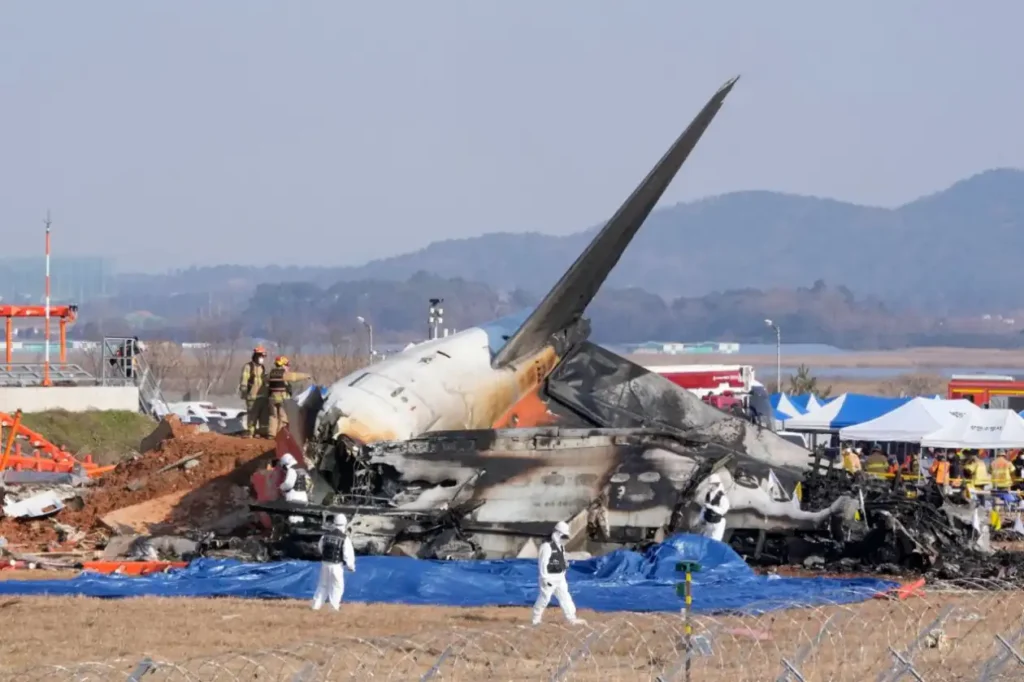
To understand the importance of magnesium oxide, one must first clarify the “high-temperature test” that black boxes face. According to international aviation standards, the fireproof casing of a black box must withstand high-temperature scorching of 1100°C for at least 60 minutes. In actual accidents, the temperature generated by burning aviation fuel often approaches or exceeds this value. In such extreme high-temperature environments, conventional materials rapidly soften, melt, and undergo sintering—where particles bond and fuse due to heat, leading to structural collapse and ultimately destroying the internal data storage modules. Therefore, preventing sintering is a core technical requirement for black box protective materials.
The reason magnesium oxide has become the ideal filler material for black boxes lies in its excellent physicochemical properties. Magnesium oxide is a high-temperature resistant ceramic material with a melting point as high as 2852°C, far exceeding the maximum tolerance temperature of a black box. Even in raging fires above 1100°C, it maintains a solid structure. Simultaneously, it possesses excellent chemical stability; it does not decompose, oxidize, or react with surrounding materials at high temperatures, maintaining long-term morphological stability. More importantly, magnesium oxide has low thermal conductivity. When filled between the black box shell and internal components, it not only blocks external heat conduction but also reduces internal heat accumulation, creating a stable temperature environment for the data storage units.
However, magnesium oxide alone is difficult to fully achieve the goal of preventing sintering. Pure magnesium oxide particles may adsorb to each other due to increased surface energy at high temperatures, and slight adhesion may still occur after long-term exposure to heat. This is where the “synergistic effect” of fumed silica becomes crucial. Fumed silica is an ultrafine nano-scale powder with an extremely high specific surface area and porous structure. When mixed with magnesium oxide in a specific ratio, it disperses evenly between the magnesium oxide particles, forming an “isolation film.” This film effectively prevents direct contact between magnesium oxide particles, reducing the probability of inter-particle adhesion at high temperatures and fundamentally inhibiting the occurrence of sintering.
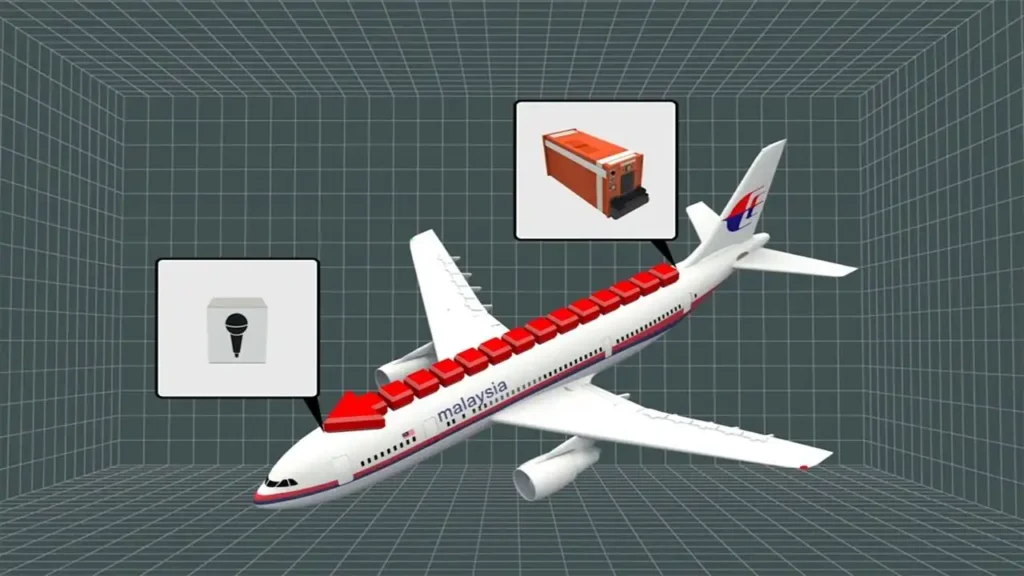
In the actual production of black boxes, the composite filling system of magnesium oxide and fumed silica undergoes precise formula optimization. Engineers mix the two materials uniformly according to the structural design of the black box and fill them into the shell’s interlayer, forming a compact yet porous protective layer. When a plane crash triggers a fire, this composite system immediately comes into play: magnesium oxide blocks the high-temperature invasion with its high melting point and low thermal conductivity, while fumed silica prevents the sintering of magnesium oxide particles through physical isolation. The two complement each other to ensure that the protective layer remains a loose, porous structure throughout the scorching process—neither collapsing nor melting—continuously providing protection for the internal data modules.
In addition to anti-sintering and thermal insulation functions, the composite system of magnesium oxide and fumed silica also possesses good mechanical buffering properties. During the violent impact of a plane crash, the loose filling layer can absorb part of the impact force, reducing damage to internal precision components caused by external forces. This forms a “double protection” alongside its heat-resistant characteristics. This material combination, integrating high-temperature resistance, anti-sintering, thermal insulation, and buffering, significantly enhances the survivability of black boxes in extreme environments.
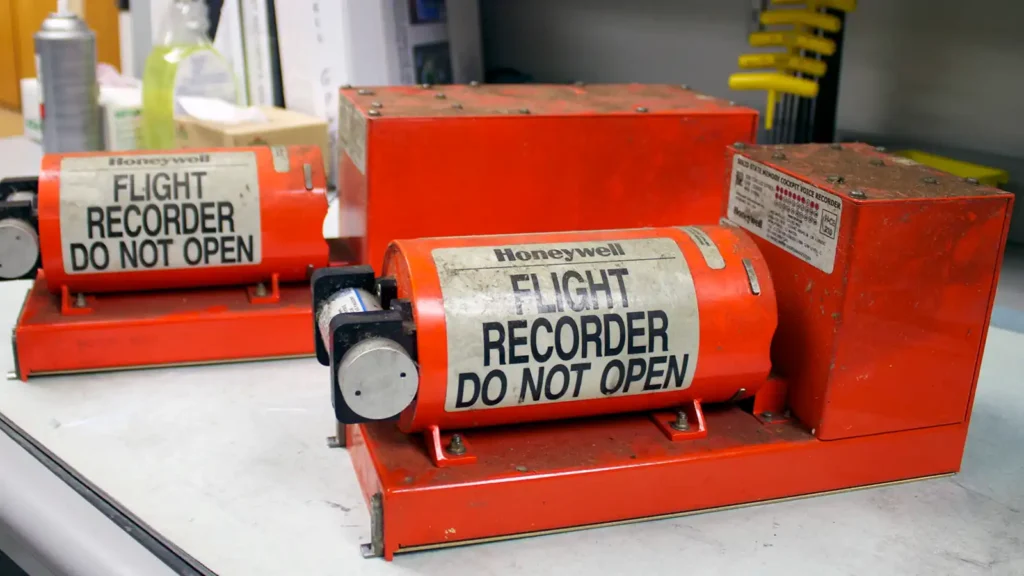
From ore-processed magnesium oxide to a key material guarding aviation safety, this represents a perfect combination of materials science and aviation engineering. The small magnesium oxide particle, relying on its excellent high-temperature performance and the synergistic aid of fumed silica, has become the silent yet reliable “guardian” inside the black box. It is these seemingly ordinary materials that use the power of science to build the last line of defense for aviation safety, adding a solid guarantee behind every flight. With the continuous advancement of material technology, the application of magnesium oxide in black boxes will continue to be optimized, providing stronger technical support for the cause of aviation safety.