
Messi Biology states that when driving at night, bright and clear headlights are a vital barrier for safety. However, you might not know that the “moisture crisis” hidden inside the headlights is being quietly resolved by a seemingly ordinary substance—magnesium oxide. As the core component of specialized desiccants for automotive headlights, magnesium oxide, with its unique hygroscopic properties, has become the “invisible guardian” for the long-term stable operation of headlights.
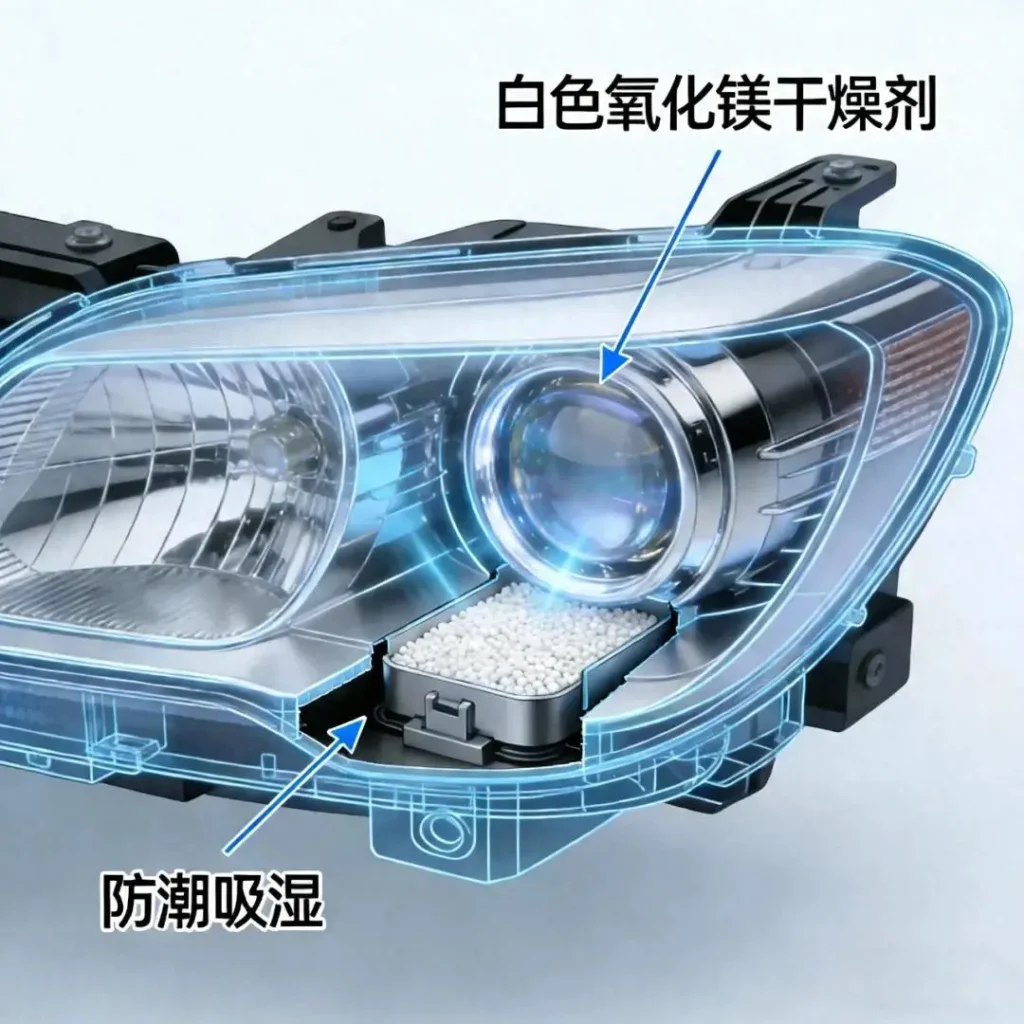
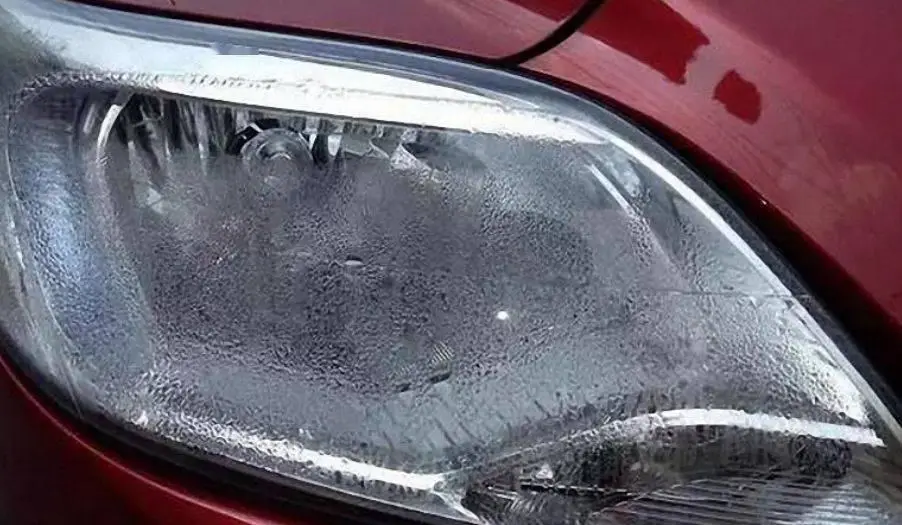
Automotive headlights are not completely sealed spaces. During temperature fluctuations, car washes, rainy weather, or when driving through water, humid air from the outside can seep into the lamp cavity through vent holes. When the temperature drops, water vapor condenses into small droplets on the inner wall of the lens. This not only blurs the light and affects visibility but can also corrode lamp holders and wiring, shortening the lifespan of the headlights. In such cases, a desiccant is required to absorb moisture and maintain a dry environment within the cavity.
Among many desiccant materials, magnesium oxide stands out due to its superior performance advantages. Magnesium oxide is a white powdery solid with an extremely strong ability to absorb moisture. It reacts chemically with water vapor to form stable magnesium hydroxide. This chemical adsorption method is far more durable and thorough than the physical adsorption used by materials like silica gel. Furthermore, magnesium oxide is chemically stable, does not release harmful volatile substances, and does not react with the plastic or metal components inside the headlights, thus avoiding secondary damage.
Compared to traditional silica gel desiccants, magnesium oxide desiccants are better suited for automotive headlight applications. Silica gel fails once it reaches moisture saturation and cannot be regenerated. In contrast, the magnesium hydroxide formed after magnesium oxide absorbs moisture has a stable structure that securely locks in water, making it difficult to release vapor even in high-temperature environments. When headlights are in operation, the heat generated by the bulbs increases the temperature within the cavity; the high-temperature resistance of magnesium oxide perfectly meets these operating requirements, maintaining stable moisture absorption across a wide temperature range of -40°C to 120°C.
In actual production, magnesium oxide desiccants are usually manufactured into granules or tablets and placed in specialized slots within the headlight assembly. They can continuously perform their moisture-absorbing function throughout the vehicle’s entire life cycle, ensuring the headlights remain dry and clean. From passenger cars to heavy-duty trucks, and from halogen to LED headlights, magnesium oxide desiccants have become a standard material in the headlight manufacturing industry due to their high cost-effectiveness and reliability. Small and seemingly inconspicuous, magnesium oxide plays a critical role in the moisture protection of automotive headlights. It is precisely this kind of material innovation hidden in the details that provides extra peace of mind and security for every nighttime journey, while highlighting the unique value of materials science in the automotive industry.