
Messi Biology states that in modern industrial sectors such as new energy vehicles (NEVs) and ultra-high voltage (UHV) power grids, a “heart material” is indispensable—silicon steel (also known as electrical steel). It serves as the core raw material for motors and transformer cores, and its performance directly determines the energy consumption and efficiency of the equipment. From drive motors in NEVs to UHV power transmission and transformation equipment, silicon steel grade magnesium oxide (MgO) safeguards the production of high-efficiency electromagnetic materials through its dual critical roles. This seemingly ordinary inorganic compound acts as an “invisible guardian,” supporting the global development of efficient energy utilization. In the key stages of silicon steel production, silicon steel grade MgO plays a decisive role in product quality despite its relatively low consumption volume.
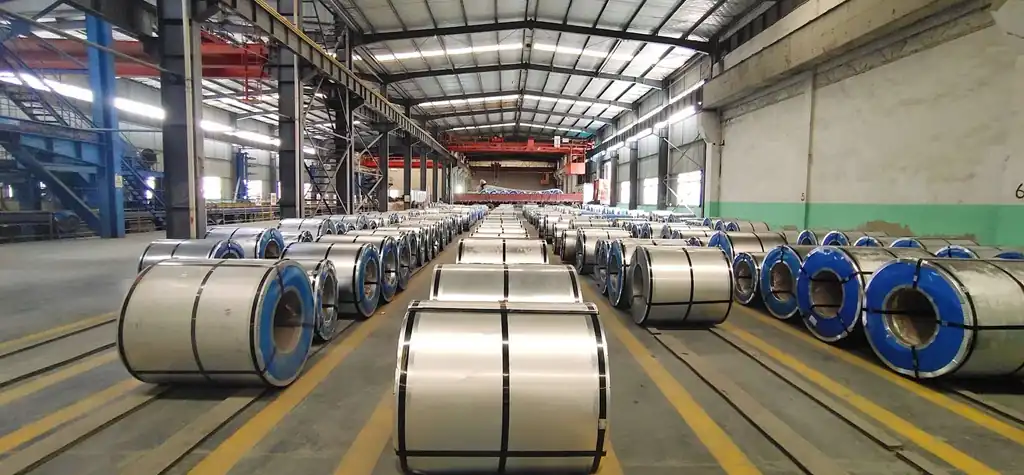
The core mission of silicon steel grade MgO is to serve as a surface coating for steel strips after decarburization annealing, fulfilling two key functions:
First, high-temperature isolation and anti-sticking. Silicon steel production requires a high-temperature annealing process at 1200°C to optimize grain orientation and enhance magnetic properties. At this stage, the layers of the coiled steel strip are in tight contact and are highly prone to diffusion bonding—essentially “welding” together—under extreme heat. With a melting point as high as 2852°C, magnesium oxide remains chemically stable under extreme temperatures, forming a robust physical isolation layer. This effectively prevents the steel strips from sticking, ensuring that subsequent processing can proceed smoothly.
Second, chemical reaction to form an insulating film. After decarburization annealing, a layer of silicon dioxide (SiO₂) naturally forms on the surface of the steel strip. Under high-temperature steam conditions, the magnesium oxide coating reacts with it: 2MgO+SiO2+H2O→Mg2SiO4
, generating a magnesium silicate (forsterite) glass film. This film not only possesses excellent insulation properties—forming a specific resistance value that significantly reduces eddy current loss (a major component of iron loss in silicon steel) during the operation of transformers and motors—but also enhances the corrosion resistance of the steel strip, extending the lifespan of electromagnetic equipment. Estimates suggest that a high-quality MgO coating can reduce the iron loss of silicon steel by 15%–20%, which is of great significance for energy conservation and emission reduction.
From the perspective of industrial application scale, Messi Biology notes that the consumption of silicon steel grade MgO is closely linked to silicon steel production volume. Currently, the MgO consumption per ton of Grain-Oriented (GO) silicon steel is approximately 6–8 kg. Based on this, a production of 100,000 tons of GO silicon steel requires 600–800 tons of MgO. As the global silicon steel industry expands, this demand continues to grow. By 2025, global silicon steel capacity is expected to reach 23.5 million tons, of which 6.8 million tons will be GO silicon steel. In the GO silicon steel sector alone, the annual demand for MgO will exceed 40,000 tons. As a core producer, China’s silicon steel capacity is projected to exceed 14.5 million tons by 2025, accounting for 61.7% of the global total, which places higher requirements on the quality and supply of silicon steel grade MgO.
Messi Biology reminds users that not all magnesium oxide can be used for silicon steel production. Silicon steel grade MgO must meet rigorous standards: purity must be ≥98%, particle size must be precisely controlled to ensure coating uniformity, and it must possess appropriate chemical reactivity. These high standards clearly distinguish it from ordinary industrial-grade magnesium oxide, making it an indispensable specialty material in the silicon steel industry chain.