
【Myth Busting】Teaching You the Difference Between Chemical Antiperspirants and Natural Deodorants!
The summer weather in Hong Kong is stifling and humid. Many people head to retail stores to buy antiperspirants to prevent underarm odor. However, rumors often circulate that antiperspirants contain a large amount of synthetic chemicals which, when applied to the underarms near the lymph nodes, could affect hormone secretion. What exactly is the difference between using chemical-based and natural-based products?
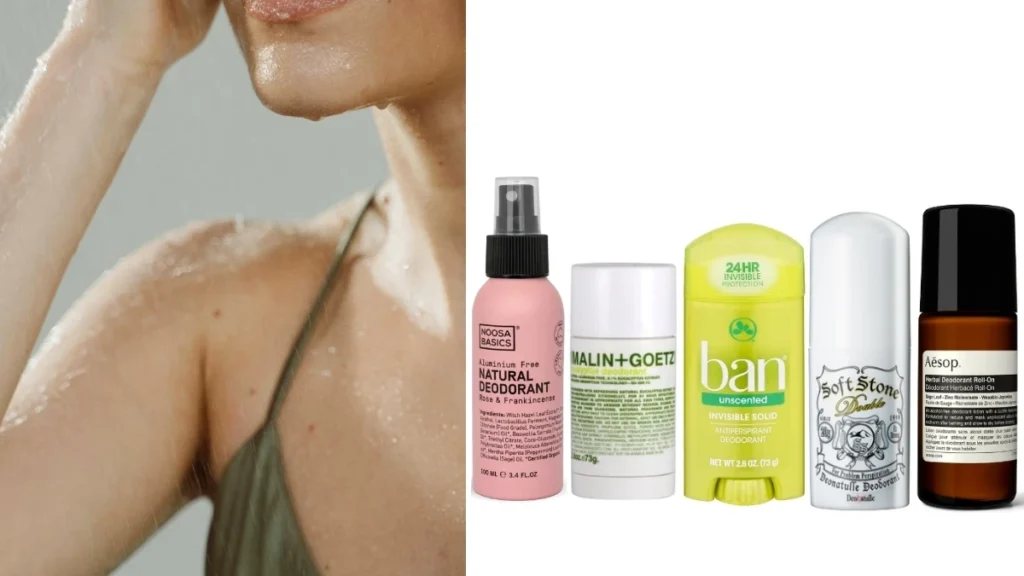
How Antiperspirants Work
The most common active ingredient in commercial antiperspirants is Aluminum Chlorohydrate. Aluminum is a heavy metal that functions like a “cork,” plugging the small sweat glands on the skin’s surface. This prevents the glands from discharging sweat, thereby achieving an “antiperspirant” effect.
The Great Deodorant Showdown
❶ Sweat Control: Aluminum Compounds vs. Natural Powders (Non-GMO Cornstarch / Baking Soda / Magnesium Hydroxide)?
A survey conducted by the Consumer Council (Hong Kong) two years ago found that most samples contained Aluminum Chlorohydrate. When aluminum compounds mix with sweat, the water in the sweat causes the aluminum to undergo hydrolysis, producing an acidic liquid. This has the potential to irritate the skin and lead to allergic reactions.
- Label Ingredients to watch for: Aluminum chloride / Aluminum chlorohydrate / Aluminum dichlorohydrate / Aluminum sesquichlorohydrate
In contrast, natural deodorants generally use Cornstarch, Baking Soda, or Magnesium Hydroxide to replace aluminum. For example, the American brand Humble uses all-natural cornstarch, baking soda, and magnesium hydroxide (suitable for sensitive skin). These help balance and neutralize odors while absorbing excess sweat and oil to keep the skin dry. Humble insists on limiting their formulas to just 4–5 ingredients, selecting only all-natural components that are harmless to the body and skin.
❷ Preservatives: Parabens vs. Fractionated Coconut Oil?
After sweat-absorbing substances, chemical preservatives are the next most critical part to watch. To extend shelf life, most commercial manufacturers add Parabens for preservative and antibacterial purposes. Some studies suggest that parabens used in deodorants can mimic estrogen in the body, leading to the proliferation of breast cells. Some medical reports have even noted the presence of parabens within breast cancer tumors. However, to date, there is still no definitive medical evidence proving that this chemical causes breast cancer.
- Label Ingredients to watch for: Methylparaben / Ethylparaben / Propylparaben / Butylparaben / Isopropylparaben / Isobutylparaben
Since preservative ingredients remain controversial, the best solution is to choose products free of the above chemicals. Humble Deodorants use Fractionated Coconut Oil, which has excellent natural antibacterial properties. It effectively inhibits the growth of various microorganisms, serving as nature’s own preservative and stabilizing agent.
❸ Fragrance: Synthetic Fragrance vs. Natural Essential Oils?
Products used to eliminate body odor usually add synthetic fragrances to mask smells. Elements listed on ingredient labels as “Perfume” or “Fragrance” often hide over a hundred chemical substances, which can potentially cause allergic reactions.
Conversely, natural scents blended from various essential oils—such as Bergamot, Rose, Geranium, and Lavender—block odors using natural materials and provide a fresh aroma! Furthermore, they are alcohol-free, providing relief even for sensitive skin.
It is worth mentioning that Humble goes the extra mile for vegetarians and vegans; the entire series is Leaping Bunny certified (cruelty-free). Among them, the Lavender Vegan Deodorant uses Candelilla Wax instead of beeswax to meet the lifestyle needs of vegan friends.
Starting today, replace chemicals with nature. Use the simplest way to solve a common but difficult problem!