
Messi Biology states that among the various processes for preparing magnesium-aluminum hydrotalcite (Mg-Al LDH), using magnesium hydroxide as the magnesium source is attracting growing attention. Both magnesium hydroxide and hydrotalcite are layered hydroxides; their close “kinship” in crystal chemistry makes magnesium hydroxide an ideal precursor for synthesizing Mg₆Al₂(OH)₁₆CO₃·4H₂O. Compared with the soluble magnesium salts typically used in co-precipitation methods, the magnesium hydroxide route offers unique advantages, including mild reaction conditions, minimal impurity residues, and high product crystallinity.
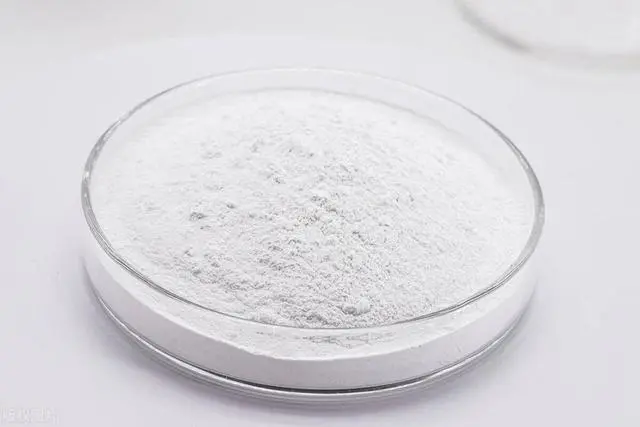
Dissolution–precipitation–hydrothermal recrystallization: a three-step process to construct the layered framework.
Magnesium hydroxide has extremely low solubility in water, but under the regulation of dilute acid or mixed-alkali systems, it can partially dissociate to slowly release Mg²⁺. Industrially, a four-stage process of “acid dissolution – ball milling – alkali precipitation – crystallization” is commonly adopted:
- Raw materials are batched at a molar ratio of n(Mg(OH)₂)∶n(Al(OH)₃)=2~3∶1 , and dilute nitric acid is added to partially dissolve the materials into free ions.
- The undissolved particles develop numerous surface defects during ball milling, serving as “seed crystals” for subsequent growth.
- A mixed Na₂CO₃/NaOH alkaline solution is added dropwise to bring the pH above 11; Al³⁺ precipitates first as amorphous aluminum hydroxide, onto which Mg²⁺ adsorbs and concentrates.
- The mixture is transferred into an autoclave for hydrothermal crystallization at 150–230 °C for 16–24 hours. During this stage, α-Al(OH)₃
transforms into γ-AlOOH , Mg²⁺ incorporates into the hydroxide layers, and CO₃²⁻intercalates between layers to balance the charge, ultimately yielding well-crystallized platy Mg-Al hydrotalcite crystals.
Compared with the magnesium oxide route, the “mildness” of magnesium hydroxide is its biggest advantage.
Magnesium oxide hydrates violently and exothermically upon contact with water, making the release rate of Mg²⁺ difficult to control precisely; improper operation easily leads to Mg(OH)₂ impurity phases. In contrast, magnesium hydroxide features moderate reactivity and steady ion release, avoiding the drop in crystallinity caused by sudden spikes in metal ion concentration. Furthermore, because large amounts of sodium salts are not required to maintain pH, residual Na⁺ in the finished product is significantly reduced. The undissolved raw material particles act as crystal seeds to suppress agglomeration, allowing the final product to maintain excellent dispersibility without added surfactants. The 1% thermal weight loss temperature increases from 105 °C in traditional processes to over 120 °C, markedly improving thermal stability. From a cost perspective, magnesium hydroxide is inexpensive, widely available, low-toxicity, and eco-friendly; high-purity hexagonal platelets can be used directly in industrial production without complex purification.
Enhanced crystallinity translates directly into competitive performance in downstream applications.
- PVC Processing: High-crystallinity Mg-Al hydrotalcite efficiently scavenges HCl released during PVC degradation, inhibiting yellowing and thermal aging, and extending thermal stability time to over 60 minutes—making it an eco-friendly alternative to lead-salt stabilizers.
- Halogen-Free Flame Retardancy: Upon heating, it releases crystal water and CO₂
to absorb heat and lower temperatures, while the resulting magnesium-aluminum oxide forms a dense, thermal-insulating barrier on the substrate surface. This enables polypropylene (PP) compounds to easily attain a UL94 V-0 rating with a smoke suppression rate exceeding 95%, making it exceptionally well-suited for confined environments such as subway cars and new energy vehicle cabling. - Water Treatment: The synergy between its interlayer anion-exchange capacity and surface hydroxyl groups delivers superior adsorption performance for fluoride, heavy metal ions, and dye molecules, with modified fluoride adsorption capacities reaching 80–120 mg/g.
Even more ingeniously, magnesium hydroxide can work in synergy with Mg-Al hydrotalcite. When compounded together as flame retardants, their decomposition temperature ranges complement one another across different stages of combustion. This synergy can reduce the required loading of magnesium hydroxide from up to 60% (when used alone) down to approximately 40%, effectively mitigating the loss of mechanical properties caused by high filler loadings. From an ordinary inorganic powder to a core magnesium precursor for advanced layered materials, magnesium hydroxide—thanks to its mild reactivity and superior finished quality—is writing its own chapter on the stage of green synthetic chemistry.