
Messi Biology states that Magnesium Oxide (MgO) is sometimes used as a coating excipient in the pharmaceutical, food, and chemical sectors. In coating applications, it is primarily utilized for its specific physical and chemical properties. The following are its main uses and precautions:
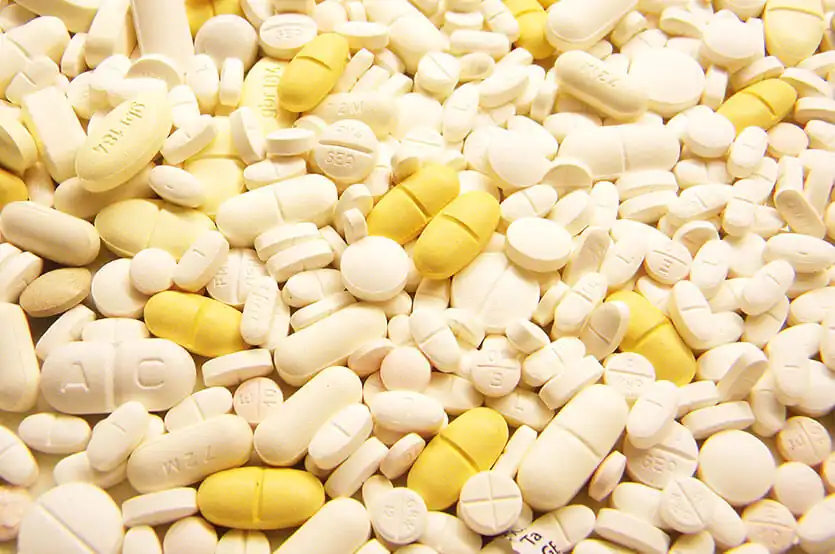
Main Purposes and Advantages of Using Magnesium Oxide in Coatings
1. pH Regulator and Antacid
- Magnesium oxide is a strongly alkaline substance. In gastric-soluble coatings or certain functional coatings, it can be used to neutralize acidic environments or maintain a specific pH value.
- It is particularly suitable for protecting Active Pharmaceutical Ingredients (APIs) from destruction by gastric acid, or for promoting dissolution in coating systems designed for the alkaline environment of the intestines (although enteric coatings typically use more established polymers such as Cellulose Acetate Phthalate or Hypromellose Phthalate).
2. Anti-tacking Agent / Glidant
- Micronized magnesium oxide possesses extremely fine particles and good flowability, allowing it to serve as an anti-tacking agent or glidant within the coating suspension.
- Adding it to the coating liquid during the film-coating process helps reduce sticking between tablets or granules and improves coating uniformity, especially in the later stages of coating or in high-solid-content formulations.
3. Opacifier (Light Shielding Agent)
- Magnesium oxide is a white, opaque powder. Adding an appropriate amount of MgO to a coating formulation increases the opacity and covering power of the coating layer.
- This improves the appearance of the final product (providing a more uniform white color or base tone) and helps provide light-shielding protection for photosensitive drug ingredients.
4. Filler / Extender (Secondary Role)
- In formulations that require increased coating layer thickness or solid content, magnesium oxide can be used as a relatively inert filler.
5. Thermal Stabilizer (Specific Applications)
- Magnesium oxide has a very high melting point (approx. 2852°C), is chemically stable, and is resistant to high temperatures.
- It may provide a degree of thermal stability in coating systems that require high-temperature processing steps (such as certain melt-coating or heat-curing processes).
Summary: The Role of Magnesium Oxide in Coatings
- Functional Additive: It serves as a potent pH regulator/antacid (specifically for protection against gastric acid), an anti-tacking agent/glidant, an opacifier, and occasionally as a filler or thermal stabilizer.
- Use with Caution: Its strong alkalinity is a core limitation. It can easily cause API degradation and compatibility issues; therefore, it must usually be used in conjunction with an effective isolation layer (seal coat). It cannot form a film on its own and must be combined with mainstream polymers.
- Specific Application Scenarios: It is generally only considered when its specific functions are required (e.g., strong acid resistance needs, improving the processability of high-viscosity coating liquids, or enhancing opacity) and when the risks associated with its alkalinity can be effectively controlled.