
1. How does Nano-Magnesium Oxide exert its antibacterial effects?
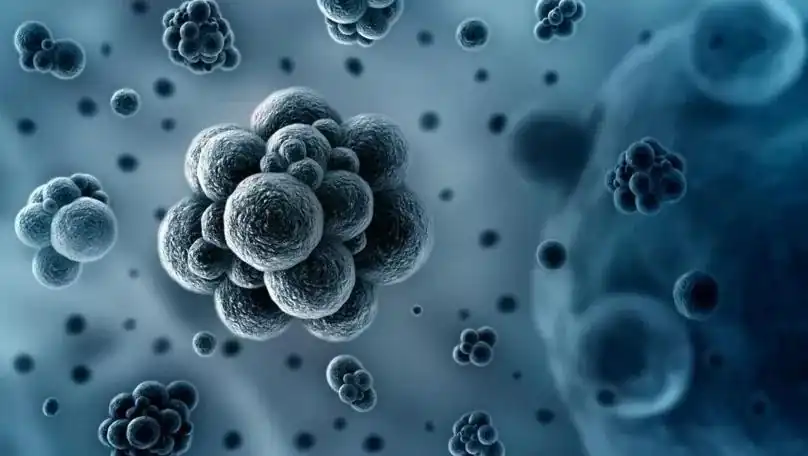
Correctly understanding the antibacterial mechanism of magnesium oxide is significant for improving research into the antibacterial activity of materials. The following describes the two main antibacterial mechanisms of magnesium oxide, including Reactive Oxygen Species (ROS) oxidative damage and mechanical damage via adsorption.
① Reactive Oxygen Species (ROS) Oxidative Damage
Research on ceramic powders proposed the ROS oxidative damage mechanism of MgO. Specifically, oxygen vacancies on the surface of nano-MgO can catalyze the single-electron reduction reaction of dissolved oxygen in water to produce superoxide anion radicals (O2–). Since (O2–) has strong oxidizing properties, it can destroy the protein peptide chains of the bacterial cell wall, thereby rapidly killing the bacteria.
MgO easily hydrates in aqueous solutions to form Mg(OH)2, coating the particle surface with OH− layers and making it alkaline. In an alkaline environment, (O2–) possesses higher chemical stability and bactericidal capability. Compared to bulk MgO, nano-MgO has a larger specific surface area and more surface oxygen defects, making it easier to hydrate into and produce large amounts of (O2–), thus resulting in strong bactericidal ability. Research indicates that while Mg(OH)2 generated from MgO hydration raises the solution pH to about 10.5, NaOH solutions with the same pH do not kill E. coli and S. aureus as effectively as nano-MgO. This suggests that a simple increase in pH does not alone promote improved antibacterial performance.
The ROS oxidative damage mechanism is recognized by most researchers. When preparing nano-MgO antibacterial materials, antibacterial ability can be enhanced by exposing the (111) crystal planes rich in active oxygen, by doping to increase surface defects (creating more oxygen vacancies), or by compositing with different antibacterial components.
② Mechanical Damage via Adsorption
The surface of nano-MgO contains many active sites such as lattice-confined hydroxyl groups, free hydroxyl groups, and ion vacancies, which can act as adsorption and surface reaction centers. In addition to ROS oxidative damage, the adsorption of particles onto microorganisms can cause cell membrane damage. Furthermore, as the particle size decreases, the bacteriostatic effect improves.
Even without the presence of ROS, nano-MgO still exhibits strong antibacterial performance against E. coli. Bacterial death is likely due to pH changes in the cell membrane during contact with nano-MgO and cell membrane rupture caused by Mg2+ release, rather than lipid peroxidation. Electron-dense black spots observed after the interaction of nano-MgO with bacteria indicate that it can penetrate the cell membrane or cell wall to enter the cell. The smaller the MgO particle size, the more electron-dense black spots appear in the cytoplasm, and the higher the antibacterial activity. Research has also found that amorphous nano-MgO lacks bactericidal ability.
The mechanical damage mechanism via adsorption is a supplement to the ROS oxidative damage mechanism. It not only explains why magnesium oxide retains good antibacterial properties in the absence of ROS but also validates the mechanism that smaller nano-MgO particles yield higher antibacterial performance. Therefore, the antibacterial performance of magnesium oxide can be improved by reducing particle size, increasing specific surface area, and enhancing adsorption.
2. How to fully utilize the antibacterial performance of Nano-Magnesium Oxide?
Currently, there are two main development paths for magnesium oxide antibacterial materials:
- Enhancing performance through control of particle size and morphology: For example, scale-like nano-magnesium oxide powder shows extremely strong antibacterial and bactericidal capabilities against Anthrax, Staphylococcus, and E. coli.
- Developing new composite antibacterial materials: By combining magnesium oxide with other antibacterial materials, such as Activated Carbon/MgO, Metal Oxides/MgO, and Chlorine/Bromine/MgO.
In terms of application, the main uses include:
- Coatings: By adding 2%-5% nano-magnesium oxide, the antibacterial properties, flame retardancy, and hydrophobicity of the coating are improved.
- Plastics: Adding nano-magnesium oxide to plastics can increase the antibacterial rate and the strength of plastic products.
- Ceramics: Spraying onto ceramic surfaces and sintering improves surface smoothness and antibacterial properties.
- Textile Fibers: Adding nano-magnesium oxide to fabric fibers can improve flame retardancy, antibacterial properties, hydrophobicity, and wear resistance, solving issues related to bacterial and stain erosion on textiles.
Furthermore, scientists have utilized nano-magnesium oxide to invent a bacteriostatic agent (preservative) suitable for acidic beverages. It features non-toxicity and high bacteriostatic efficiency against common beverage microorganisms, especially showing significant inhibition effects on Candida tropicalis in acidic drinks. The preparation method is simple and suitable for industrial production. Perhaps in the near future, we will see nano-magnesium oxide in food formulations.