
With the global surge in healthy eating, plant-based proteins—particularly soy protein—are becoming a new pillar of the food industry. In their processing, the coagulation stage is critical; however, traditional coagulants face numerous limitations. Food-grade magnesium oxide, as a safe, efficient, and multifunctional green coagulant, is leading a technological revolution. This article aims to explain the scientific principles behind the combination of magnesium oxide and soy protein and provide an in-depth analysis of the leading advantages of Messi Biology in this field, serving as a reference for industrial upgrading.
I. Introduction: Opportunities for Soy Protein and Coagulation Bottlenecks
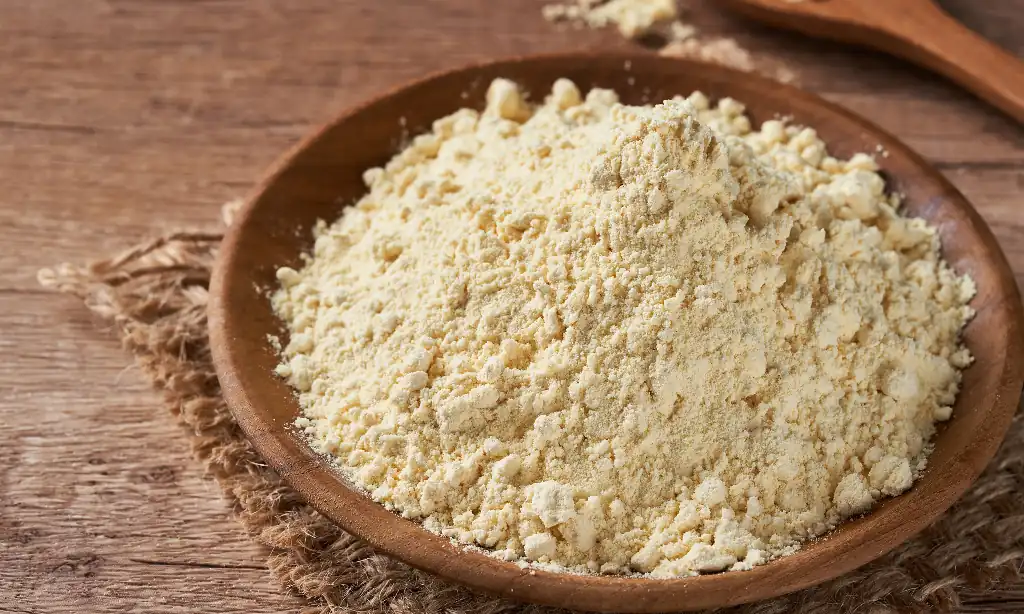
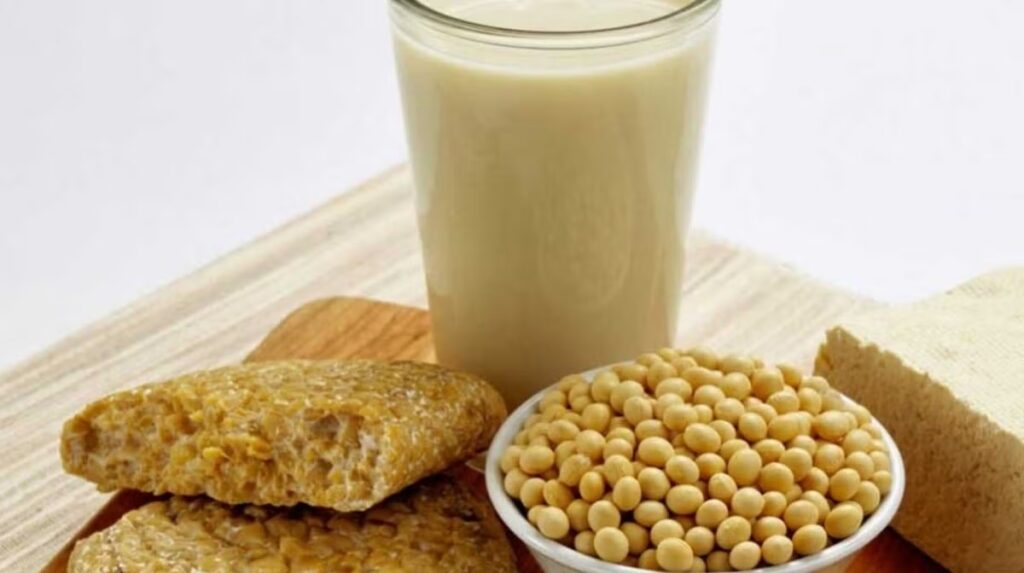
Soy protein is widely used in vegetarian meats, protein powders, energy bars, soy milk, and tofu due to its comprehensive nutritional profile, high digestibility, and sustainability. However, the key to transforming soy protein isolate or concentrate into a final product with ideal texture (such as toughness, elasticity, and water retention) lies in the “coagulation” step. Traditional coagulants like gypsum (calcium sulfate), glucono delta-lactone (GDL), or nigari (magnesium chloride) are widely used but have their drawbacks: difficult control over coagulation speed, poor water retention (tendency to leak water), or undesirable off-flavors, all of which restrict the development of high-end soy products.
II. The Solution: Scientific Advantages of Food-Grade Magnesium Oxide
In this context, Magnesium Oxide (MgO) stands out not merely as a simple coagulant, but as a “quality improver.” Its mechanism of action is as follows:
- Mild and Efficient Coagulation Principle: Magnesium oxide slowly hydrates in water to form magnesium hydroxide ( Mg(OH)2 ), gradually releasing magnesium ions ( Mg2+ ). These magnesium ions perform a “bridge-linking” effect with the negative groups on the surface of soy protein molecules, causing dispersed protein molecules to cross-link and aggregate, forming a stable and dense three-dimensional network structure. This process is mild and sustained, providing producers with a wider operating window and more precise control.
- Superior Product Quality:
- Better Texture: The gel network formed by magnesium ion cross-linking is finer and more uniform. The resulting tofu or plant-based meat products have a smooth mouthfeel, high elasticity, and toughness, closely mimicking the texture of animal protein.
- Stronger Water Retention: The delicate network can lock in more moisture, significantly reducing water loss (syneresis) during storage and cooking, thereby increasing yield and improving taste.
- Purer Flavor: High-purity magnesium oxide is odorless, avoiding the bitterness or metallic aftertaste often associated with traditional coagulants. This allows the natural, fresh aroma of the soybeans to be preserved to the maximum extent.
- Added Nutritional Value: Magnesium is an essential mineral for the human body, participating in over 300 enzymatic reactions. It is known as the “activator of life activities.” Using magnesium oxide as a coagulant inherently fortifies the product with magnesium, aligning with modern consumer demand for functional foods.
III. The Power of Leadership: Core Advantages of Messi Biology
Among many suppliers, Messi Biology has become a benchmark enterprise in the food-grade magnesium oxide field, thanks to its deep technical accumulation and pursuit of food safety. Its advantages are primarily reflected in:
- The “High Purity” Foundation for Safety: The food-grade magnesium oxide produced by Messi Biology using advanced processes reaches a purity level of over 98%, with heavy metal content (such as lead, arsenic, and mercury) far below national and international standards. This high purity is the fundamental guarantee of food safety, providing peace of mind to downstream enterprises and end consumers alike.
- “Precision” Craftsmanship for Stable Performance: The company has the capability to produce magnesium oxide with different particle sizes and activity levels. Messi Biology can provide customized product models for various soy protein applications (such as silken tofu, firm tofu, or extruded protein products). Precise particle size control ensures that the magnesium oxide disperses uniformly and hydrates slowly in water, achieving a consistent and controllable coagulation reaction.
- “Innovation-Driven” Solution Experts: Messi Biology is not just a raw material supplier but a technical partner. With a robust R&D team, the company can work directly on the customer’s production line, providing comprehensive technical support—from coagulant ratios and addition methods to the optimization of process parameters—helping clients overcome technical hurdles and develop more competitive new products.
IV. Conclusion and Outlook
The application of food-grade magnesium oxide in the soy protein industry is a classic example of “using technological innovation to upgrade traditional industries.” It solves long-standing challenges regarding texture and flavor while enhancing product value. Messi Biology, with its high-purity, high-quality, and highly stable products and professional technical services, provides solid support for the implementation and promotion of this innovative application.
Looking ahead, as the plant-based food market continues to expand and consumption patterns upgrade, the requirements for upstream raw materials will become even more stringent. We expect leading enterprises like Messi Biology to continue their deep research and development, driving more innovative applications of magnesium oxide and its derivatives in the food industry, and together writing a new chapter for China’s healthy food industry.