
1. Product Overview
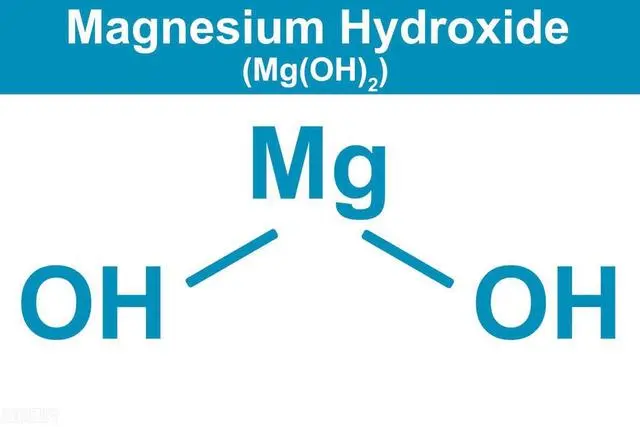
Magnesium hydroxide appears as a white amorphous powder. It is also known as caustic brucite or light-burned magnesia. A suspension of magnesium hydroxide in water is known as “Milk of Magnesia.” Chemically, magnesium hydroxide (Mg(OH)2) forms colorless hexagonal column crystals or white powder. It is difficult to dissolve in water and alcohol but soluble in dilute acids and ammonium salt solutions. Its aqueous solution is weakly alkaline.
2. Upstream Raw Materials and Regional Distribution
The primary upstream raw materials for magnesium hydroxide include brucite, dolomite, bischofite, and brine. The availability of magnesium resources varies by region, leading to significant differences in raw materials and production methods:
- Liaoning Province: Primarily uses brucite as the raw material, utilizing physical crushing and ultra-fine grinding processes.
- Hebei, Shandong, Jiangsu, and Zhejiang (Coastal Regions): Primarily utilize the brine synthesis method.
- Qinghai Province: Primarily uses salt lake brine as the core raw material.
Due to these geographical factors, the industry layout is relatively decentralized.
3. Industry Supply Chain
The upstream raw material market for magnesium hydroxide in China is characterized by full competition. Supply is stable, and the pricing system is relatively transparent. Fluctuations in the prices of upstream products have a direct impact on the procurement costs of the primary raw materials for the magnesium hydroxide industry.
4. Production and Sales Volume

In recent years, brucite mineral resources have been discovered and developed in various locations, including Ningqiang (Shaanxi), Qilian Mountains (Qinghai), Shimian (Sichuan), Ji’an (Jilin), Xixia (Henan), and Fengcheng and Kuandian (Liaoning). According to statistics, in 2019, China’s raw brucite ore production reached 1.251 million tons, while total domestic market demand stood at 809,000 tons.
China possesses abundant brucite mineral resources, with the largest reserves located in Liaoning. Currently, a portion of the high-grade raw ore extracted is exported directly, while another portion is used to produce refractory materials (such as light-burned and dead-burned magnesia) and magnesium chemical products. However, due to “selective mining” (extracting high-grade ore and discarding low-grade ore), significant amounts of low-grade brucite are wasted. Developing comprehensive utilization and deep processing for these low-grade resources is of great practical importance.
The output of the magnesium hydroxide industry has grown rapidly, increasing from 254,800 tons in 2011 to 502,800 tons in 2019.
2019 Market Data at a Glance:
- Total Production: 502,800 tons
- Import Volume: ~16,100 tons
- Export Volume: 16,900 tons
- Total Demand: 502,000 tons
- Regular Grade Demand: 461,400 tons
- High-Purity Grade Demand: 29,100 tons
- Nano-Grade Demand: 11,500 tons
5. Market Size and Segments
Domestic applications are primarily concentrated in environmental protection, pharmaceuticals, flame retardants, and chemical manufacturing. Environmental protection (wastewater treatment) and flame retardants are the primary drivers of growth.
In 2019, the total market size of China’s magnesium hydroxide industry reached 1.428 billion CNY.
- Nano-Magnesium Hydroxide: 748 million CNY (52.38% market share)
- Regular Magnesium Hydroxide: 508 million CNY (33.57% market share)
- High-Purity Magnesium Hydroxide: 172 million CNY (12.04% market share)
6. Competitive Landscape
The industry consists of a large number of manufacturers, most of which are regional small-and-medium-sized enterprises (SMEs). The market is fragmented and generally lacks economies of scale. As of 2019, the total production capacity of the industry was 652,000 tons.
Core Challenges:
- Low Efficiency: Low utilization of raw materials and high energy consumption lead to high production costs.
- Product Mix: A high concentration of low-end products results in low profitability and insufficient investment in R&D.
- Import Dependency: High-value segments, such as high-purity magnesium hydroxide and specialized flame retardants, rely heavily on imports. High prices in these segments have limited the expansion of their application scale.
7. Future Outlook
Moving forward, enterprises must accelerate research into high-purity, high-activity, and specialized functional magnesium hydroxide products. By adopting advanced technologies and equipment to improve production levels, the industry aims to transition China from a “large-scale producer” to a “global powerhouse” in magnesium hydroxide manufacturing.