
Messi Biology states that under the guidance of the “Carbon Peaking and Carbon Neutrality” strategy, the demand for the eco-friendly transformation of materials within the “Dual Carbon” framework has placed the materials industry under rigid constraints regarding “carbon reduction and emission reduction.” Although Thermoplastic Elastomers (TPE) possess natural advantages such as recyclability and reprocessability, traditional production processes suffer from two major environmental pain points: firstly, flame-retardant TPEs often use halogen-containing flame retardants, which release toxic gases upon combustion; secondly, acidic substances generated during processing can cause equipment corrosion and environmental emissions. As an inorganic, eco-friendly additive, Magnesium Oxide (MgO) has become a key support for the green transformation of the TPE industry due to its non-toxic, odorless, and degradable characteristics. Data indicates that eco-friendly TPE using Magnesium Oxide as an additive reduces carbon emissions by 25%-30% compared to traditional products, aligning with the global trend of green manufacturing.
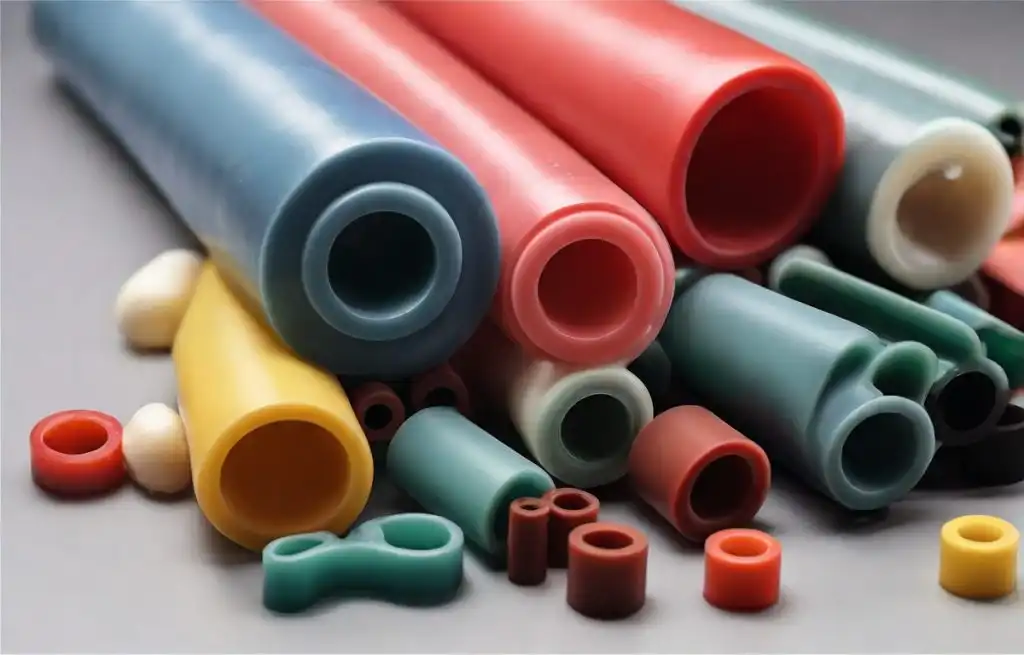
Three Key Paths by Which Magnesium Oxide Drives the Eco-Friendly Transformation of TPE
1. Construction of Halogen-Free Flame Retardant Systems
Traditional halogen-containing flame retardant TPEs release toxic and harmful substances such as HCl and dioxins during fires. However, when Magnesium Oxide is compounded with Aluminum Hydroxide and Magnesium Hydroxide, it forms a highly efficient halogen-free flame retardant system. The flame retardant mechanism is as follows: at high temperatures, Magnesium Oxide decomposes and absorbs heat, inhibiting the rise in material temperature; simultaneously, the released water vapor dilutes combustible gases, and a Magnesium Oxide coating forms to block oxygen. In halogen-free flame retardant TPEs applied in fields such as wire and cable and children’s toys, the addition of 15%-20% Magnesium Oxide can achieve a UL94 V-0 flame retardancy rating, with smoke density and toxic gas emissions meeting EU RoHS and REACH standards.
2. Source Control of VOC Emissions
During TPE processing, insufficient compatibility between the rubber phase and the plastic phase can lead to the release of Volatile Organic Compounds (VOCs). The alkaline surface of Magnesium Oxide can undergo a neutralization reaction with acidic functional groups in TPE, reducing VOC generation. At the same time, its high specific surface area can adsorb trace organic volatiles produced during processing, lowering the VOC emissions of TPE products to below 0.5g/L, meeting environmental requirements for automotive interiors and indoor building materials. After an automotive manufacturer adopted Magnesium Oxide-modified TPE for interior parts, the in-car VOC concentration decreased by 40% compared to traditional materials, passing the Society of Automotive Engineers (SAE) environmental certification.
3. Improvement of Recycling Efficiency
When traditional TPE is recycled and processed, performance degrades due to thermal-oxidative aging, typically limiting recycling to no more than three times. Acting as an antioxidant, Magnesium Oxide can inhibit molecular chain scission and oxidative degradation during the recycling process, increasing the number of TPE recycling cycles to 5-6 times while maintaining over 85% of mechanical properties. Furthermore, Magnesium Oxide itself can return to the environment through natural degradation without causing secondary pollution, realizing full lifecycle environmental protection from “production to use to recycling and reuse.”
Challenges and Future Outlook
Currently, the use of Magnesium Oxide to empower the eco-friendly transformation of TPE still faces three major challenges:
- Cost: The production cost of high-purity, eco-friendly Magnesium Oxide is relatively high, with a premium of 30%-40% over traditional additives.
- Awareness: Some small and medium-sized enterprises lack sufficient environmental awareness and still rely on low-cost halogenated additives.
- Standards: Certification standards for green TPE are imperfect, and there are blind spots in market regulation.
In response, three countermeasures are needed:
- R&D: Increase investment in technical research and development to reduce the production cost of eco-friendly Magnesium Oxide through process optimization.
- Policy: Strengthen policy guidance by providing tax incentives and subsidies to enterprises adopting eco-friendly additives.
- Certification: Improve the green product certification system and establish an “eco-label” system to guide market consumption trends.
In the future, with tightening environmental policies and continuous technological progress, Magnesium Oxide will play a greater role in the green transformation of the TPE industry, contributing material strength to the realization of global “Dual Carbon” goals.