
In modern animal husbandry, feed additives act as sophisticated “seasoners,” achieving nutritional balance and improving production efficiency through micro-additions. As a common mineral feed additive, magnesium oxide (MgO) plays an irreplaceable role in healthy animal farming due to its unique physical and chemical properties as well as its physiological functions. What scientific mysteries lie within this seemingly ordinary white powder?
Magnesium oxide (MgO) is an ionic compound composed of magnesium and oxygen. At room temperature, it appears as a white powder, characterized by its insolubility in water and chemical stability. Magnesium oxide used as a feed additive is primarily derived from the calcination of magnesite or extracted from seawater. Through rigorous purification and particle size control, its bioavailability and safety are ensured. Depending on the processing method, it can be categorized into light magnesium oxide and heavy magnesium oxide. The former, with its lower density and larger specific surface area, is more suitable for use as a feed additive.
During the animal digestive process, magnesium oxide primarily functions as a magnesium source. Magnesium is an essential macromineral for animals, involved in the activation of over 300 enzymes and playing a critical role in energy metabolism, protein synthesis, nerve conduction, and other physiological processes. When magnesium levels in feed are insufficient, animals are prone to symptoms such as stunted growth, muscle spasms, and anemia; efficient supplementation with magnesium oxide can rapidly correct these deficiencies. Its unique anti-caking property cannot be overlooked either. During the feed processing stage, magnesium oxide can absorb excess moisture, preventing mold and caking, thereby extending shelf life. Especially in high-humidity environments, an addition of 0.5%–1% of magnesium oxide can improve feed storage stability by over 30%. Furthermore, in ruminant diets, magnesium oxide can regulate rumen pH; when used in combination with anionic salts, it effectively prevents postpartum ketosis, offering a superior buffering effect compared to traditional agents like sodium bicarbonate.
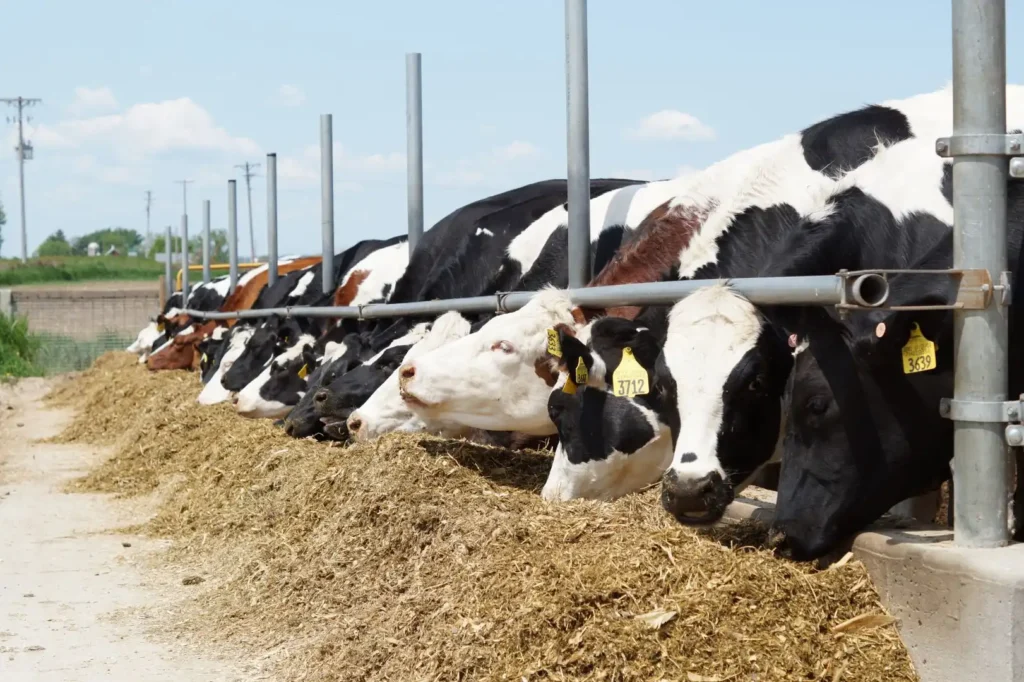
The application of magnesium oxide is particularly extensive in ruminant husbandry. Adding 0.5%–0.8% of magnesium oxide to dairy cow diets not only increases milk fat percentage by 0.2–0.3 percentage points but also reduces the incidence of lameness. In the late stages of beef cattle finishing, adding magnesium oxide can improve carcass quality and reduce stress responses. For poultry farming, by regulating the balance of intestinal flora, magnesium oxide significantly enhances eggshell strength and reduces breakage rates. For animals in special physiological stages, the demand for magnesium oxide is even more pronounced: adding it to the diet of pregnant sows can prevent postpartum paralysis, while moderate supplementation during the weaning stress period of piglets can alleviate diarrhea. In aquaculture, magnesium oxide acts as a water conditioner, regulating water pH and promoting the molting and growth of shrimp and crabs.
High-quality magnesium oxide products should meet feed additive or food additive quality standards. When selecting a product, attention must also be paid to its flowability and particle size distribution—overly fine powder can cause dust pollution, while overly coarse particles may hinder digestion and absorption. It is recommended to add it in the form of a premix to ensure that the mixing uniformity reaches a coefficient of variation (CV) of ≤5%.
With the deepening of research into animal nutrition, the functional value of magnesium oxide continues to be explored. From a basic nutritional supplement to its role as a functional additive, this ancient mineral is finding new life in modern animal husbandry. Scientific application of magnesium oxide not only improves farming efficiency but is also a crucial step in driving the livestock industry toward a greener and more efficient future. With the development of new magnesium oxide feed additive products, its prospects in precision nutrition will be even broader.