
Messi Biology states that magnesium oxide (MgO), as an indispensable key component in welding materials, plays an irreplaceable role in welding electrodes, flux-cored wires, and submerged arc fluxes due to its unique physical and chemical properties. Its application effectiveness directly impacts welding quality and process stability, making it a highly valued basic raw material in the research, development, and production of modern welding consumables.
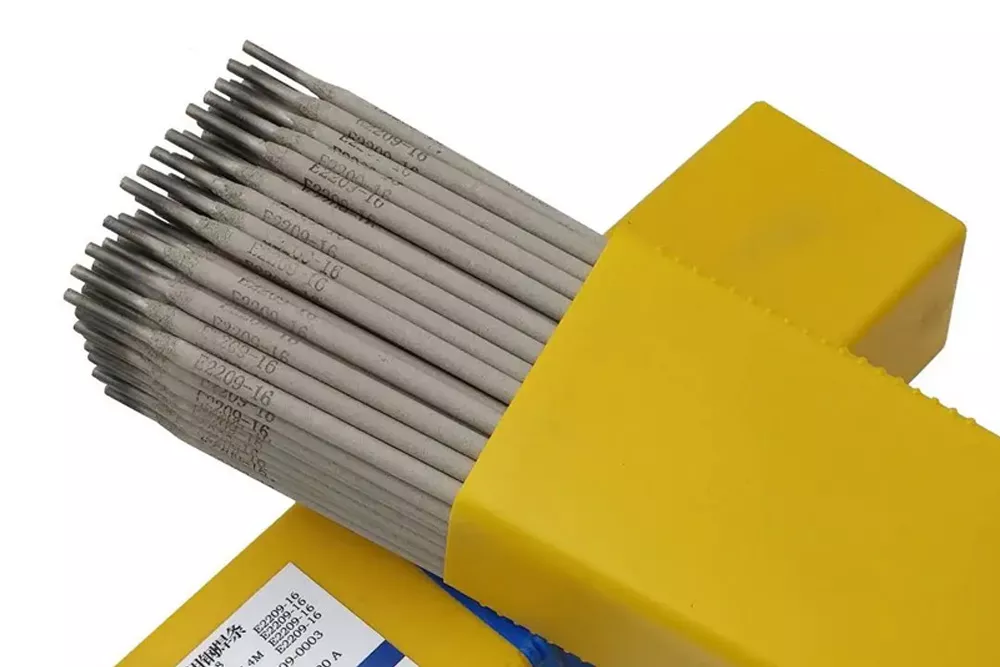
From a functional perspective, magnesium oxide serves three critical roles during the welding process:
- Stabilizing the Arc and Reducing Spatter: During welding, magnesium oxide can reduce arc drift and fluctuations, making the arc combustion more concentrated and stable. It minimizes droplet spatter, ensuring a smoother welding process. This effect is particularly significant in basic (alkaline) welding materials, laying the foundation for high-quality welds.
- Forming High-Quality Slag to Protect the Molten Pool: At high temperatures, magnesium oxide combines with other components to form slag, which effectively isolates the molten pool from the air. This prevents contamination from oxygen and nitrogen, thereby reducing defects such as pores and inclusions. Furthermore, the slag provides excellent coverage and detachability, making post-weld cleaning easier and improving the surface quality of the weld bead.
- Optimizing the Mechanical Properties of the Weld: Through metallurgical reactions such as deoxidation and desulfurization, magnesium oxide purifies the weld metal, enhancing its strength, toughness, and crack resistance. Its advantages are especially prominent in high-performance scenarios, such as medium-to-heavy plate welding and pressure vessel manufacturing.
In practical applications, the effectiveness of magnesium oxide is significantly influenced by its purity, particle size, and proportioning. High-purity (≥98%) and fine-grained magnesium oxide can better perform its protective and metallurgical functions, avoiding weld performance degradation caused by excessive impurities. Proper proportioning balances parameters like slag viscosity and melting point to suit different welding processes and materials. For example, in basic flux-cored wires, the magnesium oxide content is typically controlled between 22% and 25%. At this level, the slag coverage is excellent, the viscosity is moderate, and both welding stability and weld quality are optimized. If the content is too high, the slag viscosity increases, leading to difficult slag removal and hindered welding efficiency.
Furthermore, magnesium oxide offers environmental and cost advantages. Its raw materials are widely available and moderately priced. The welding process produces low smoke and low toxicity, aligning with the development trends of green welding. Compared to some traditional welding components, using magnesium oxide ensures performance while reducing production costs, offering outstanding cost-effectiveness.
In conclusion, magnesium oxide has become an essential component of modern welding materials due to its multi-fold advantages in stabilizing the arc, protecting the molten pool, optimizing performance, and being environmentally economical. Rational selection and proportioning of magnesium oxide can effectively improve welding process stability and weld quality, meeting the diverse welding demands of industrial production and continuing to play a vital role in fields such as steel structures, shipbuilding, and pressure vessels.