
Messi Biology states that, in the scorching heat of summer or after exercise, talcum powder always relieves skin stickiness with its refreshing touch, and one of the core contributors behind this is magnesium carbonate. This seemingly ordinary white powder, owing to its unique physicochemical properties, has become an indispensable key ingredient in talcum powder formulations, silently guarding the skin’s dryness and comfort.
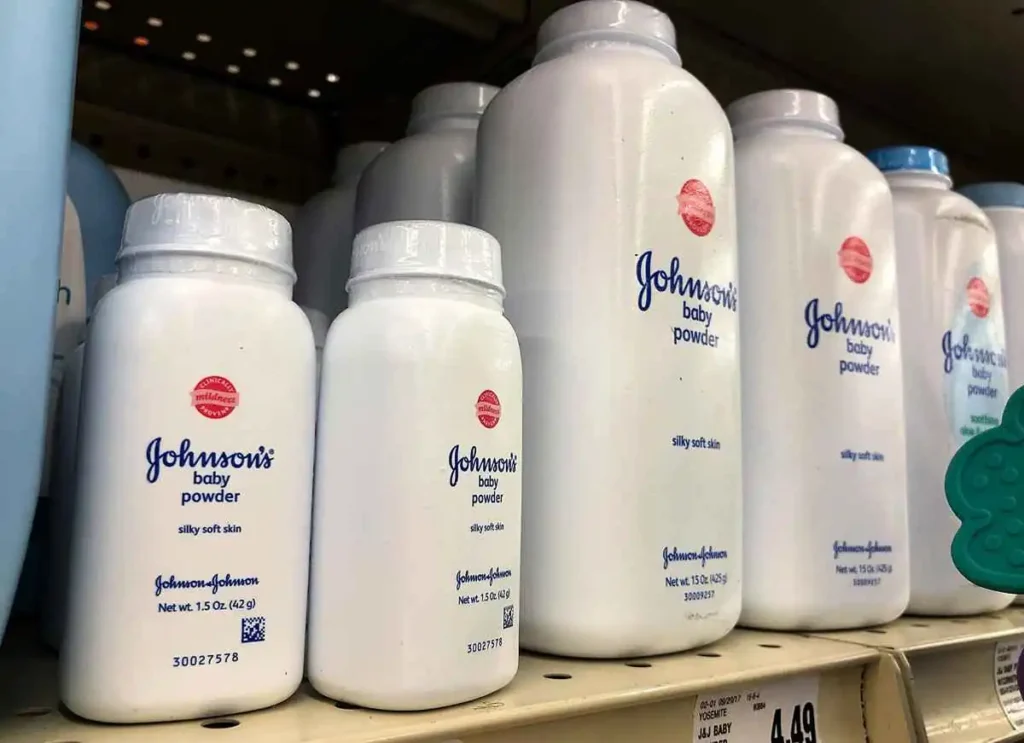
Magnesium carbonate (MgCO3) is a naturally occurring inorganic compound found in minerals. It appears as an odorless, tasteless, fine powder with a silky texture. Its chemical properties are stable, it is insoluble in water, and the safety of the purified food-grade and cosmetic-grade magnesium carbonate has been strictly verified. It is not only widely used in talcum powder but is also commonly used as an anti-caking agent in food, a pharmaceutical excipient, and in other fields, demonstrating its mild and reliable characteristics.
Moisture and oil absorption is the core function of magnesium carbonate in talcum powder. It possesses a unique porous crystal structure and a surface area far greater than ordinary powders, acting like countless tiny “adsorption sponges” that can quickly capture sweat and excess oil from the skin surface. This high-efficiency adsorption capacity instantly reduces the feeling of dampness on the skin, prevents stickiness and discomfort caused by prolonged sweat retention, and simultaneously inhibits oil buildup, keeping the skin dry and breathable. This is a key reason why talcum powder provides a cooling sensation.
In addition to moisture absorption, the lubricating and soothing effects of magnesium carbonate are equally important. Its powder particles are fine and smooth, forming a thin protective film on the skin after application, reducing friction between the skin and clothing. For delicate baby skin, this protective film can effectively prevent diaper rash caused by friction; for adults, it can alleviate discomfort from skin friction during exercise, allowing the skin to feel more comfortable during activity.
Compared with talc, which was traditionally used in talcum powder, magnesium carbonate offers greater safety advantages. Some natural talc minerals may be associated with trace asbestos impurities, posing potential health risks, while magnesium carbonate is naturally asbestos-free and boasts superior moisture absorption capabilities. It has gradually become the preferred ingredient for baby powder and talcum powder for sensitive skin. Furthermore, by keeping the skin dry through moisture absorption, magnesium carbonate indirectly destroys the damp environment where bacteria thrive, serving an auxiliary antibacterial role, promoting healthier skin alongside dryness.
It is noteworthy that, despite magnesium carbonate being mild and safe, the correct method for using talcum powder should still be followed. Avoid inhaling large amounts of the powder, especially for infants, to prevent respiratory irritation; choose products from reputable brands that meet national cosmetic safety standards to ensure the purity of the magnesium carbonate; apply an appropriate amount only, as excessive use may lead to clogged pores, which would negatively affect skin respiration.
From a chemical name on an ingredient list to the refreshing experience on the skin, magnesium carbonate interprets the concept of “small ingredient, big effect” through its inherent characteristics. With its advantages of high-efficiency moisture absorption, gentle lubrication, and reliable safety, it has become the irreplaceable “dryness guardian” in talcum powder, allowing us to enjoy a refreshing touch and peace of mind in our daily care. Understanding this scientific mystery hidden in the powder enables us to make more rational choices of care products, helping the skin maintain a healthy state in comfort.