
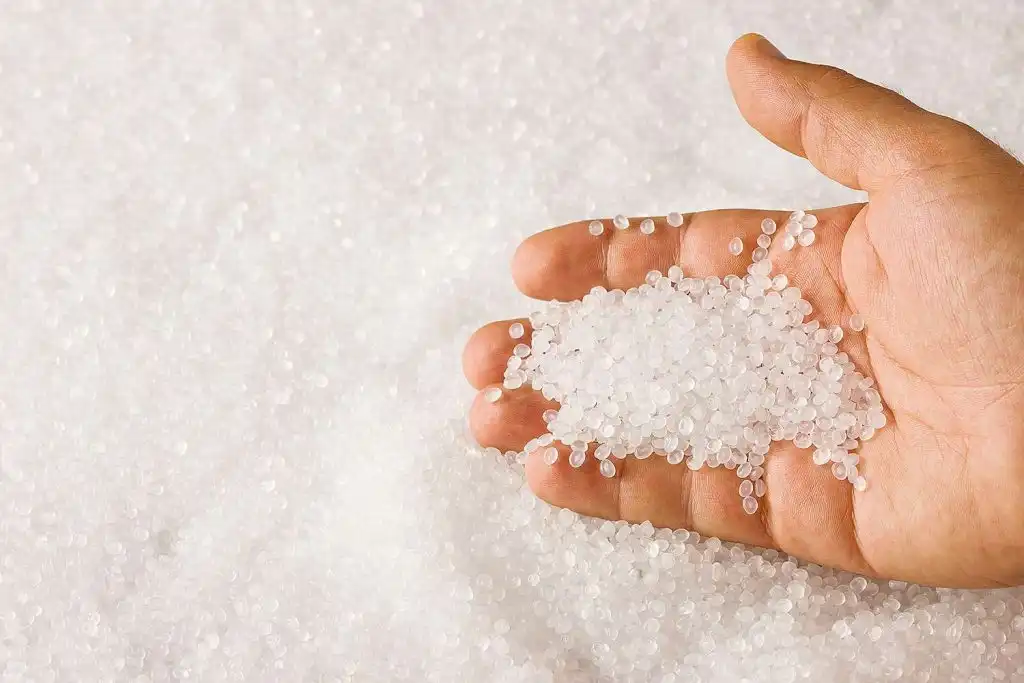
Polypropylene (PP) is a general-purpose plastic widely used both domestically and internationally. It possesses excellent mechanical properties, heat resistance, processing fluidity, stress crack resistance, and wear resistance, alongside superior fiber-forming and electrical properties. However, PP is prone to low-temperature brittleness, is highly sensitive to notches, exhibits high molding shrinkage, and ages easily. These drawbacks limit its use as a structural material and restrict its overall application scope.
To enhance the performance of polypropylene, modification techniques such as copolymerization, blending, filling, and reinforcement are commonly employed. Among these, filling and reinforcement modification is currently one of the most promising methods. Magnesium carbonate series from Zehui—including basic magnesium carbonate, light industrial-grade magnesium carbonate, and anhydrous magnesium carbonate—serve as high-quality mineral fillers. Characterized by their lightweight nature, low density, high thermal stability, flame retardancy, smoke suppression, and non-toxic, eco-friendly properties, they can effectively reinforce polypropylene materials. Research indicates that these fillers also function as reinforcing agents, fillers, and flame retardants for various high polymers, including plastics, coatings, and building materials, across multiple industries.
Through repeated experimentation by Messi Biology, it has been found that the application of modified magnesium carbonate in polypropylene yields significant results. First, PP/light magnesium carbonate composites prepared via the melt-blending method can reduce the crystallinity of the composite system and lower impact strength while inducing the formation of β-spherulites, thereby enhancing the toughness of the composite system.
Secondly, by compounding aluminum hydroxide (ATH) with magnesium carbonate and adding them to Linear Low-Density Polyethylene (LLDPE), the flame-retardant temperature range of the system is broadened. When the total loading is 50% with a 4:1 ratio of aluminum hydroxide to magnesium carbonate, the Limiting Oxygen Index (LOI) reaches 26, which is superior to using aluminum hydroxide alone.
Furthermore, the decomposition temperature of basic magnesium carbonate ranges from 200°C to 550°C, which is higher than the decomposition ranges of ferric hydroxide and aluminum hydroxide. During the combustion of the composite material, basic magnesium carbonate undergoes endothermic decomposition, releasing water of crystallization and carbon dioxide, which effectively inhibits the combustion process.
In summary, modified magnesium carbonate plays a vital role in improving the performance of polypropylene. It not only addresses issues such as brittleness and aging but also expands the application fields of PP, reduces production costs, and enhances material properties. By conducting in-depth research into magnesium carbonate powders and other modification methods, we can further drive scientific research and the practical application of polypropylene materials.