
Messi Biology states that magnesium is an essential mineral for the human body, involved in over 300 biochemical reactions. Magnesium amino acid chelate, as a highly absorbable form of magnesium supplementation, has its product quality directly influenced by the choice of raw materials for its preparation. Magnesium hydroxide, as a common inorganic magnesium source, shows significant advantages in the synthesis of magnesium amino acid chelate, making it the preferred solution in the food and health product industries.
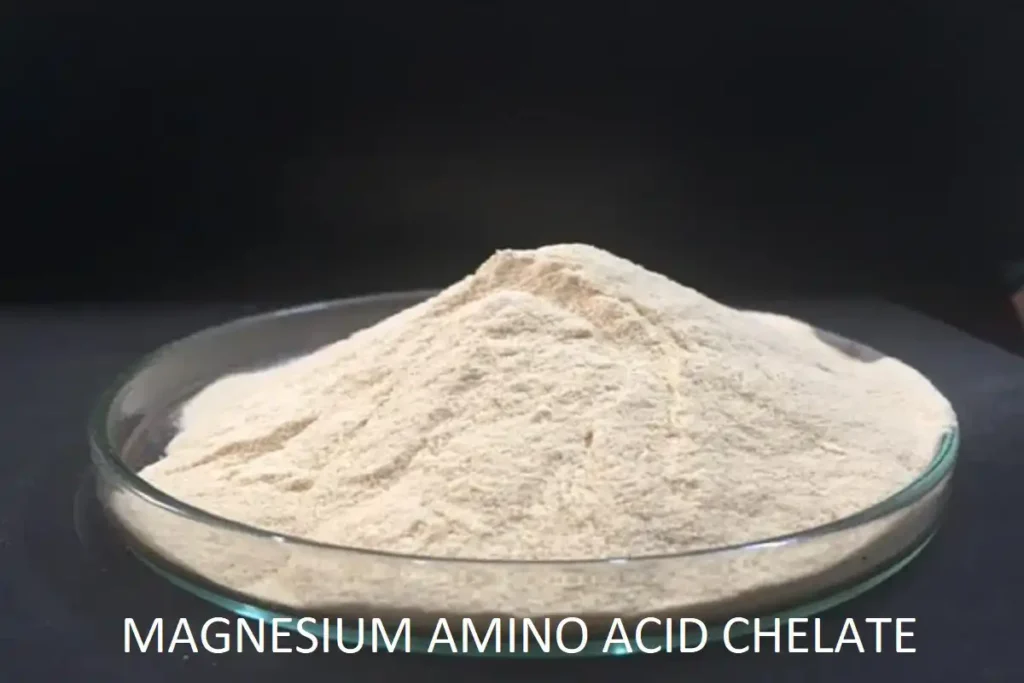
The core reason why magnesium hydroxide is suitable for preparing magnesium amino acid chelate lies in its unique chemical properties. It boasts a high magnesium content of up to 58% (calculated as magnesium oxide equivalent), a simple chemical composition, purity exceeding 99%, and extremely low heavy metal content, meeting both food-grade and pharmaceutical-grade standards. Its reaction mechanism is mild and controllable. Under suitable pH conditions, magnesium hydroxide slowly dissolves to release magnesium ions, which undergo a neutralization reaction with amino acids (such as glycine or taurine) to form stable magnesium amino acid chelates. The reaction process avoids high temperatures, high pressures, or strong acid/base environments, thus preventing the generation of byproducts. Compared to magnesium oxide, magnesium hydroxide has higher reactivity and its hydrolysis rate is easier to control. Compared to magnesium carbonate, it does not produce carbon dioxide bubbles, which is more beneficial for equipment design and operation in industrial production.
In terms of product performance, magnesium amino acid chelate derived from magnesium hydroxide raw material offers distinct advantages. First is its high bioavailability. The chelate formed by the amino acid and magnesium ion is efficiently absorbed by the intestine via amino acid transport channels, achieving an absorption rate of approximately 18.8%, which is significantly higher than the 4% absorption rate of magnesium oxide. This structure also reduces the competition between magnesium ions and other substances in the intestine, lessens the dependence on stomach acid, and is suitable for individuals with sensitive digestion. Second is its excellent safety profile. Magnesium hydroxide itself is already widely used as an antacid and magnesium supplement. The magnesium amino acid chelate prepared from it avoids the risk of hypermagnesemia and is less likely to cause intestinal discomfort such as diarrhea, making its tolerability superior to other magnesium salt forms. When combined with specific amino acids, functional synergy can be achieved. For example, magnesium glycinate combines the physiological effects of magnesium with the calming effect of glycine, which can improve sleep and alleviate anxiety.
In practical application, magnesium amino acid chelate prepared using magnesium hydroxide has become a mainstream option for magnesium supplementation. It not only meets daily magnesium needs but is also suitable for specific demographics: menopausal women can use it to improve sleep and mood swings, athletes can use it to relieve muscle cramps, and those with sensitive digestion can take it safely. In industrial production, the process is simple, easily scalable, cost-controllable, and environmentally friendly, with no pollutant discharge, aligning with the concept of green manufacturing. It is worth noting that product performance can be optimized by adjusting reaction conditions. For instance, adding L-aspartic acid can further enhance magnesium ion utilization and boost the product’s functionality. However, attention must be paid to strictly controlling reaction parameters when preparing magnesium amino acid chelate with magnesium hydroxide to ensure the coordination balance between the magnesium ions and the amino acids, thereby avoiding unreacted magnesium hydroxide residue. Reputable products ensure the purity and safety of the final product through precise ratios and purification processes. Consumers should pay attention to product standards and test reports when purchasing.
In summary, magnesium hydroxide, with its advantages such as high purity, mild reaction, safety, and economy, is the ideal raw material for preparing magnesium amino acid chelate. The resulting magnesium amino acid chelate, combining these two components, not only retains the physiological activity of magnesium but also enhances absorption efficiency through amino acid chelation, providing an efficient and safe solution for human magnesium supplementation, with broad application prospects in the nutritional and health field.